
Compliant Bathroom & Wet Area Waterproofing
Class III Membrane Systems Installed to Australian Standards
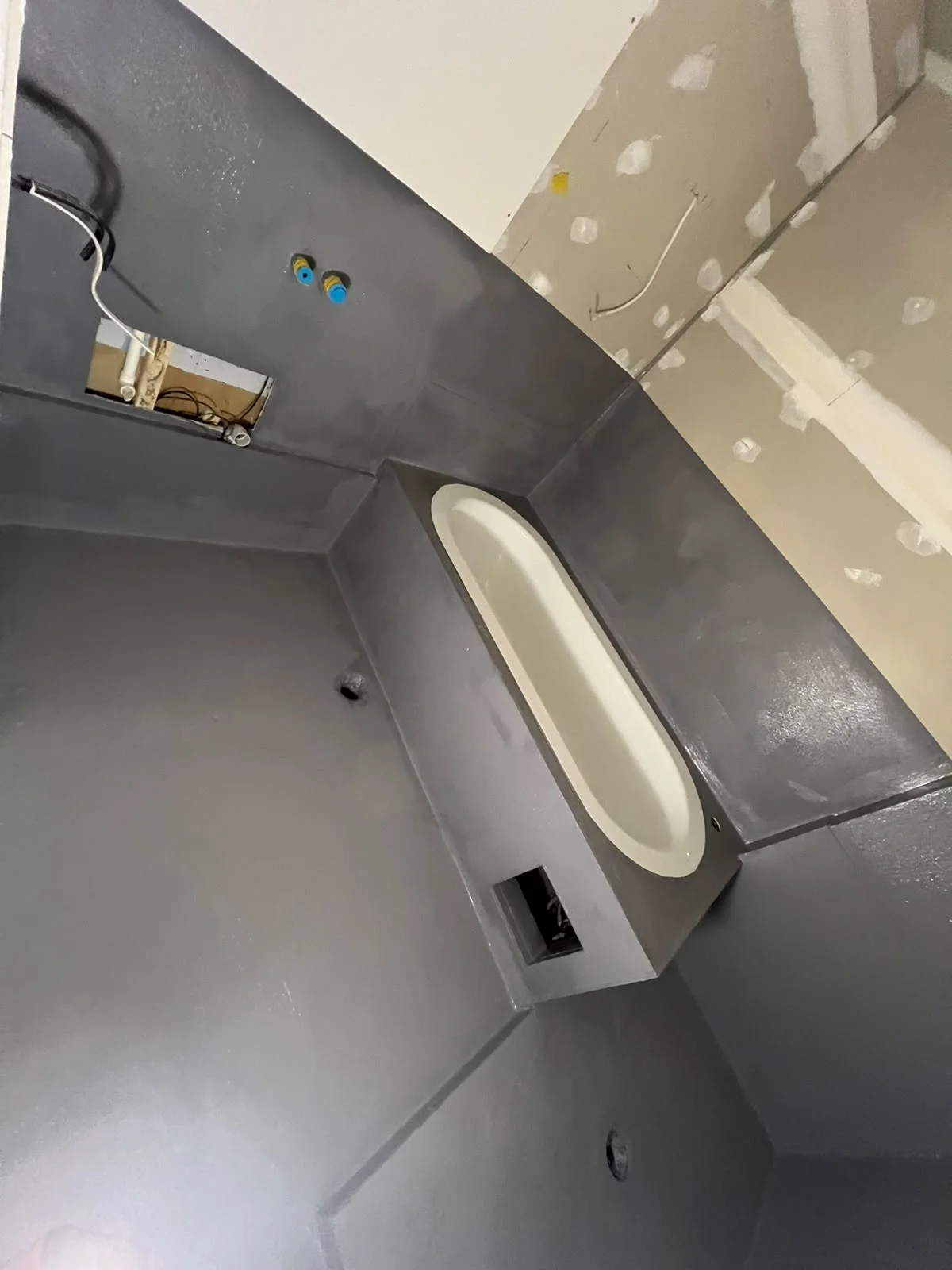
We install compliant wet area waterproofing membranes, reinforced perimeter bond breakers, and detailed drainage flashing to safeguard structural timber framing and concrete slabs against hidden moisture damage.
What We Do & The Problem We Solve
Under Australian Standard AS 3740:2021 (Waterproofing of domestic wet areas), waterproofing is the primary barrier that prevents water from escaping your shower enclosure and penetrating the building structure. Tiles and grout provide the wear layer, but the membrane beneath is what stops water reaching timber framing, plasterboard, and subfloors.
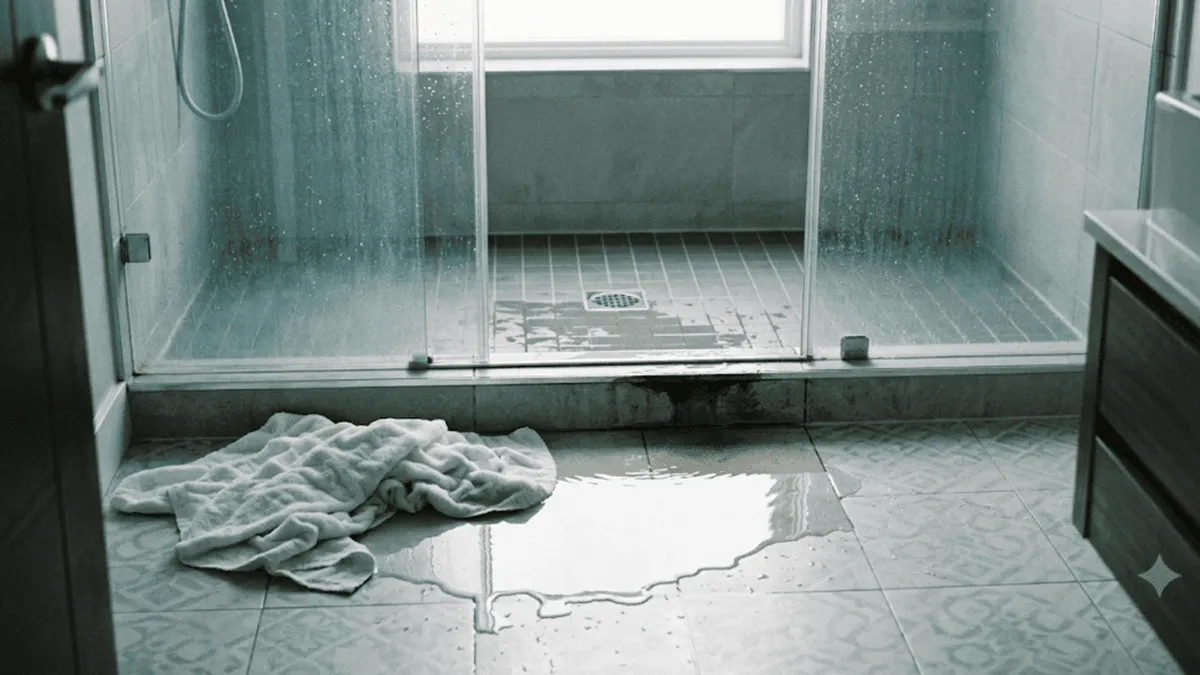
When a waterproofing membrane is torn, punctured during construction, or applied without proper bond breakers in movement joints, water gradually migrates into the structure. This leads to rotted floor joists, damaged ceilings downstairs, swollen skirting boards, and pervasive mould behind walls.
Regrouting cannot repair a ruptured sub-tile membrane. Where an honest trade inspection confirms the membrane has failed, the only lasting remedy is stripping the affected area, preparing the substrate, and installing a new, compliant Class III liquid membrane system with continuous flashing.
Signs of Under-Tile Waterproofing Failure
- Water stains, peeling paint, or plaster sagging on ceilings directly beneath an upstairs bathroom
- Damp, stained carpet or bubbling timber skirting boards on the wall shared with the shower
- Soft, spongy, or bouncy floorboards immediately outside the shower recess
- Efflorescence (white salt crusts) continuously weeping out of tile joints or floor wastes
- A persistent damp, musty decay smell that remains even when the bathroom looks clean
- Swollen door frames or blistered paint on the hallway wall adjoining the wet area
Our Waterproofing Procedure
Every step is executed with commercial-grade tooling to ensure a long-lasting, watertight result.
Substrate Cleaning & Primer Coat
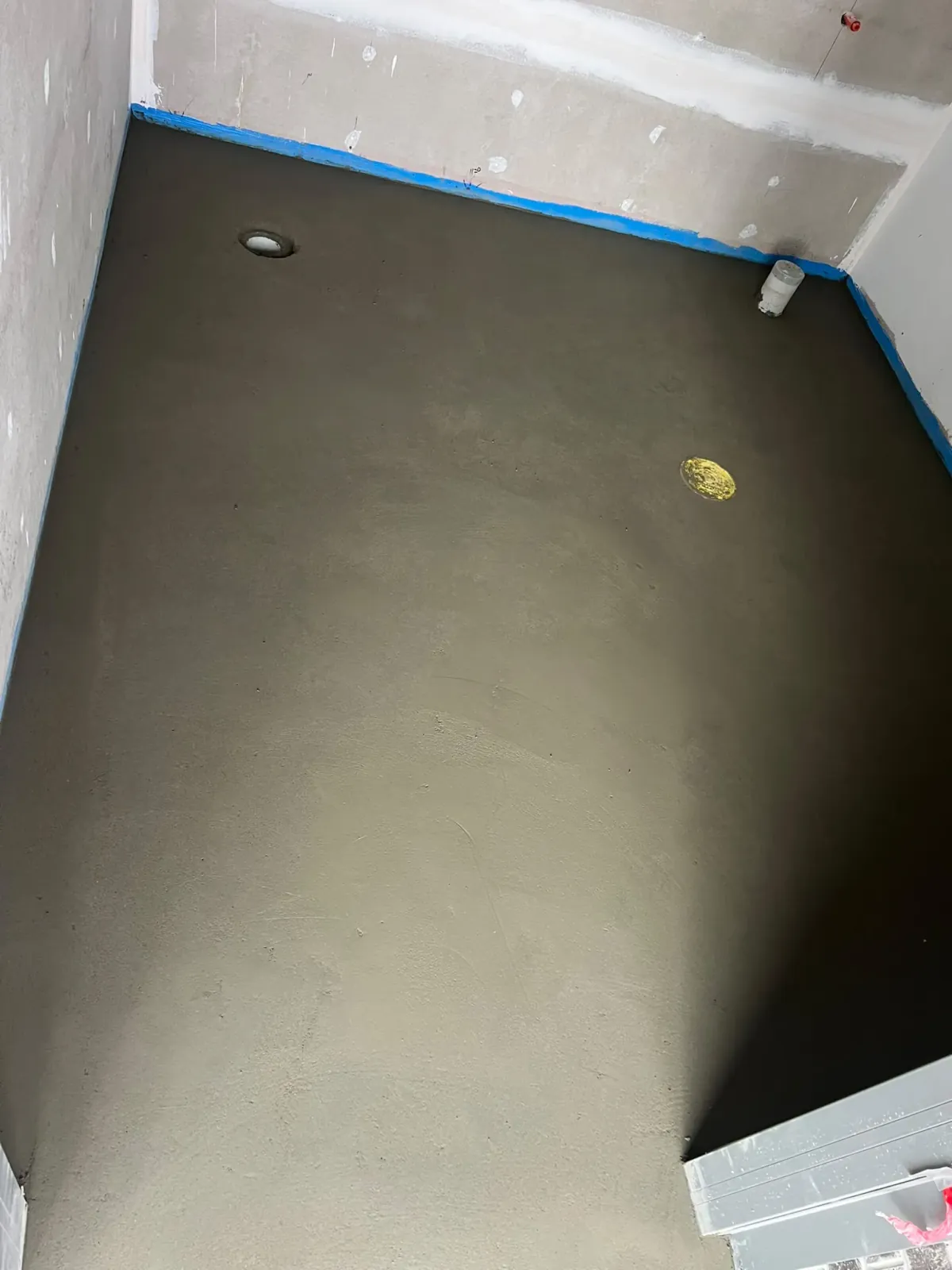
All dust, grease, and loose screed are mechanically removed. Substrates (cement sheet, screed, or concrete) are treated with specialized substrate primer to ensure high-tack membrane bonding.
Bond Breaker Tape & Movement Joints
Class III elastic bond breaker bandages and neutral-cure backing beads are installed across all internal wall-to-wall corners, wall-to-floor junctions, and hob intersections to absorb building movement.
Penetration & Flashing Detailing
Tap spigots, mixer penetrations, and puddle flanges are detailed with preformed elastomeric collars and reinforced tape to stop water tracking along pipework.
Multi-Coat Class III Membrane Application
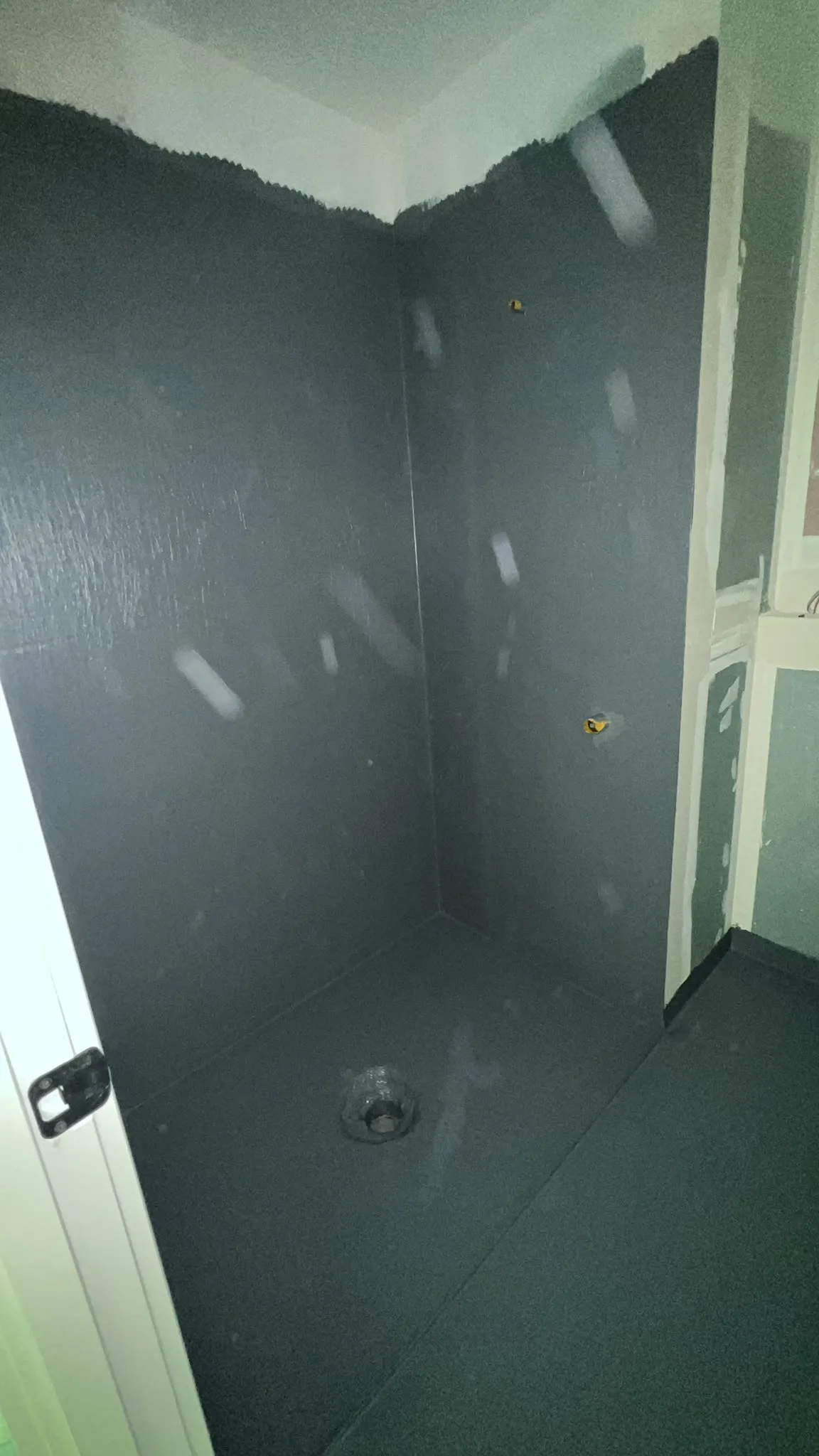
We apply two or more generous coats of high-flexibility Class III polyurethane or modified acrylic membrane, crossing directions between coats to prevent pinholes.
Dry Film Thickness (DFT) Verification
We measure wet and dry film thickness to ensure the cured membrane meets the minimum thickness required by AS 3740 before tiling begins.
We remove degraded grout to a clean uniform depth and thoroughly sanitise the joint cavity before injecting new compound.
Is This Service Right for Your Bathroom?
We believe in straightforward trade advice. Here is an honest breakdown of when this service succeeds, and when a different approach is necessary.
When Full Waterproofing Is Required
- Bathroom renovations where existing tiles and plaster have been removed down to the framing
- Shower rebuilds following confirmed failure of an old sub-tile membrane
- New home construction wet areas (showers, ensuites, laundry, and powder rooms)
- Balcony and outdoor wet area tile installations requiring sub-screed membrane protection
When Waterproofing Coating Is NOT Suitable
- Applying topical membrane coats directly over glazed tiles without mechanical grinding and specialized epoxy primers
- Substrates with active structural movement cracks wider than standard bond breakers can accommodate
- Situations where the homeowner wants a quick surface fix without addressing underlying rotted timbers
- Wet areas with unresolved active plumbing supply pipe pressure leaks behind the wall
Honest Trade Advice: Waterproofing Membranes vs. Regrouting
Regrouting and perimeter silicone replacement restore damaged, porous, or mouldy joints. However, regrouting addresses grout-level water ingress but cannot repair or restore a failed waterproofing membrane. Under Australian building standards (AS 3740), internal waterproofing membranes sit beneath the screed and tile bed. If that membrane or structural substrate has failed, regrouting alone cannot fix an underlying leak. We provide clear, honest assessments from photos and on-site checks so you only pay for what actually solves the problem.
Membrane Types & Flashing Systems
Class III High-Elongation Liquid Membrane
Water-based polyurethane or hybrid polymer liquid membranes offering superior elongation capacity (>300%) to withstand framing movement.
Reinforced Polyester Bond Breaker Bandages
Non-woven polyester fleece tapes embedded into the first coat across all 90-degree junctions to bridge substrate movement.
Preformed Pipe & Niche Flashing Sleeves
Flexible rubber sleeves that tightly grip around copper or PEX water pipes to prevent water tracking along the pipe exterior.
Curing & Recoat Times
Follow manufacturer technical data sheet instructions. Typical wet area membranes require 4 to 8 hours between coats, and a full 24 to 48 hours of curing before screed or tile adhesive can be applied. Curing times vary with ambient temperature and humidity.
Why Standards Compliance Matters
Certified Australian Standard Compliance
Executed strictly in accordance with AS 3740:2021 specifications for domestic wet area waterproofing.
Structural Asset Protection
Prevents hidden moisture from compromising structural timber studs, floor joists, and concrete reinforcing steel.
High-Elongation Class III Systems
Flexible membranes accommodate standard seasonal settling and frame contraction without tearing.
Seamless Enclosure Barrier
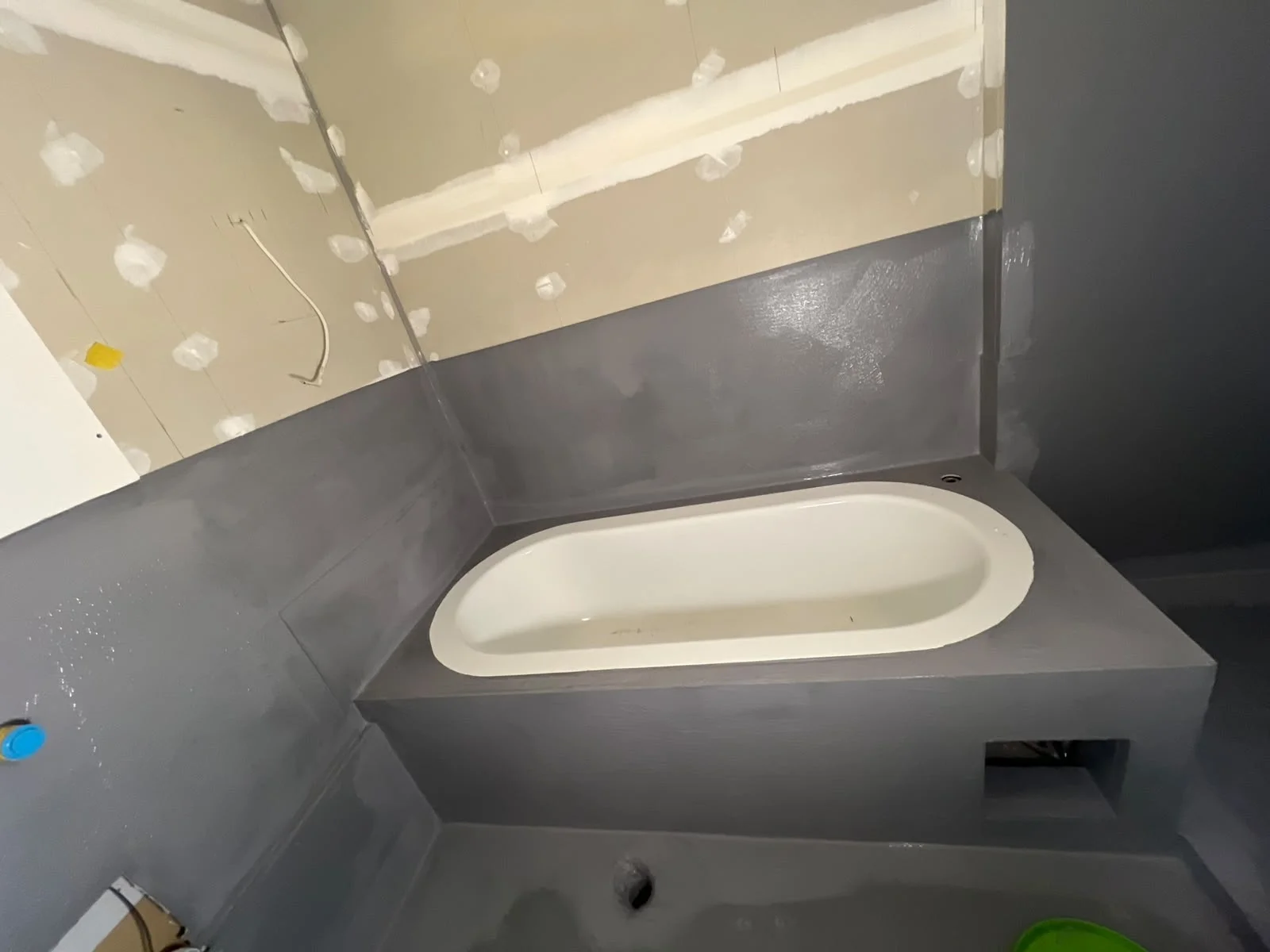
Forms a continuous, rubber-like lining across shower recesses, bath hobs, and wet-room floor planes.
Before & After
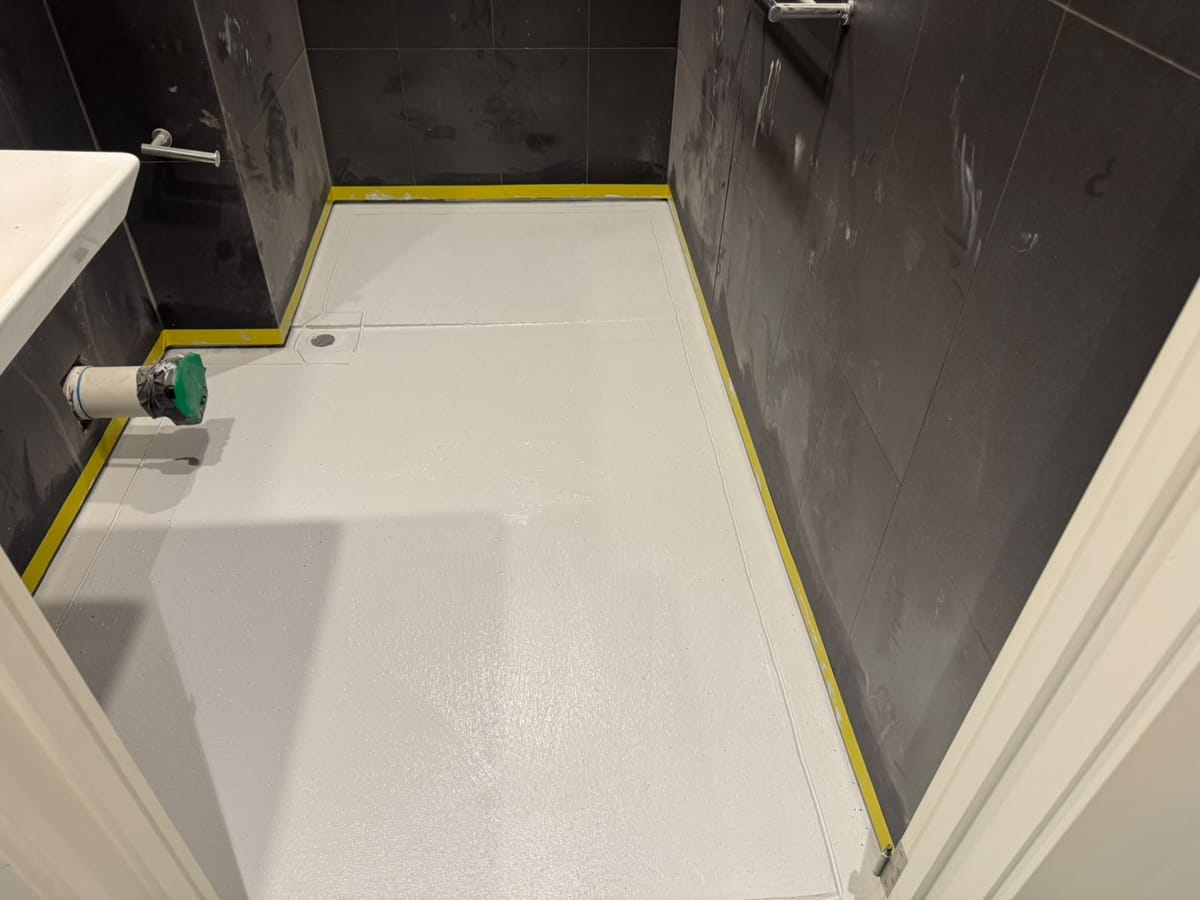
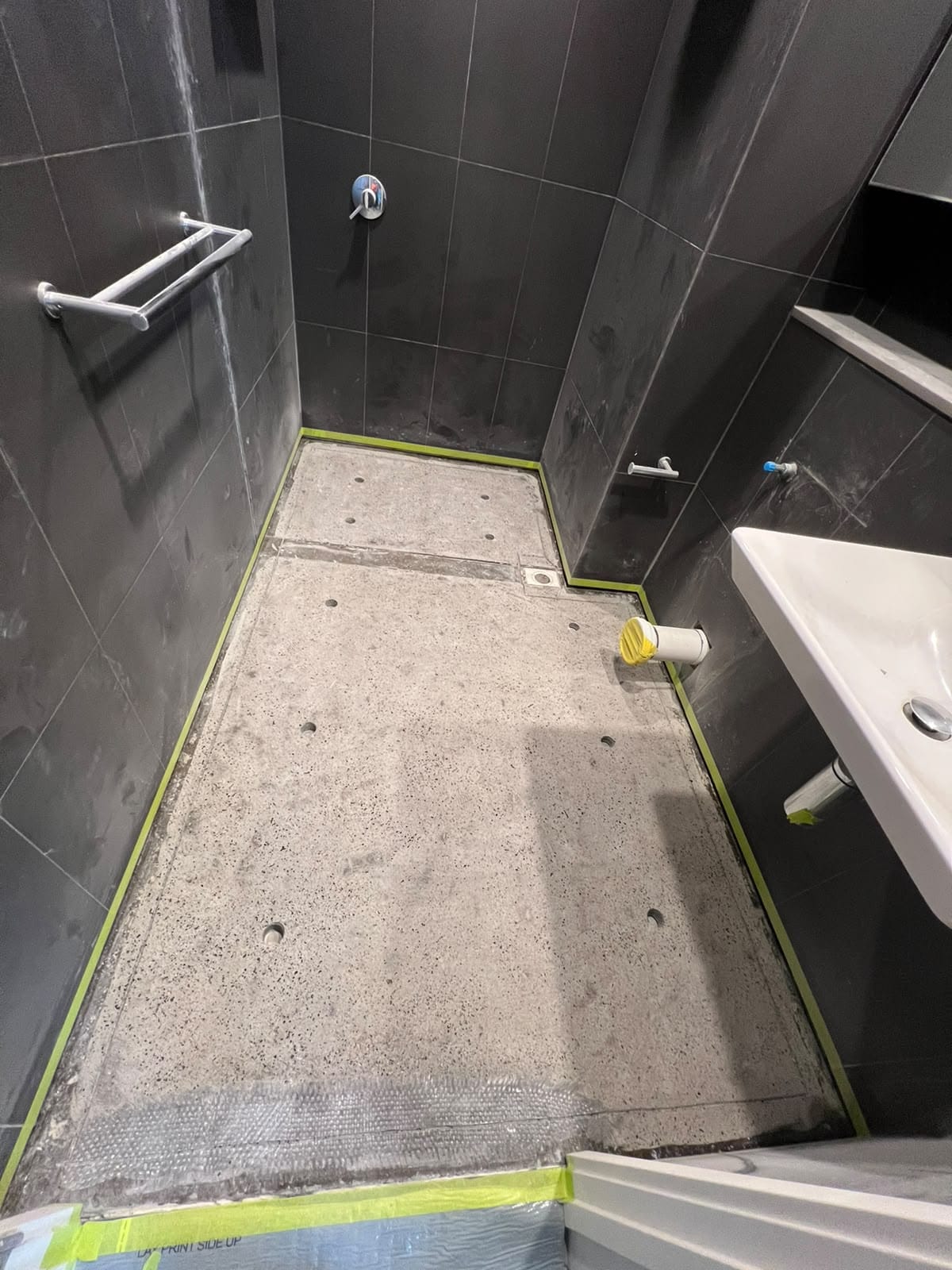
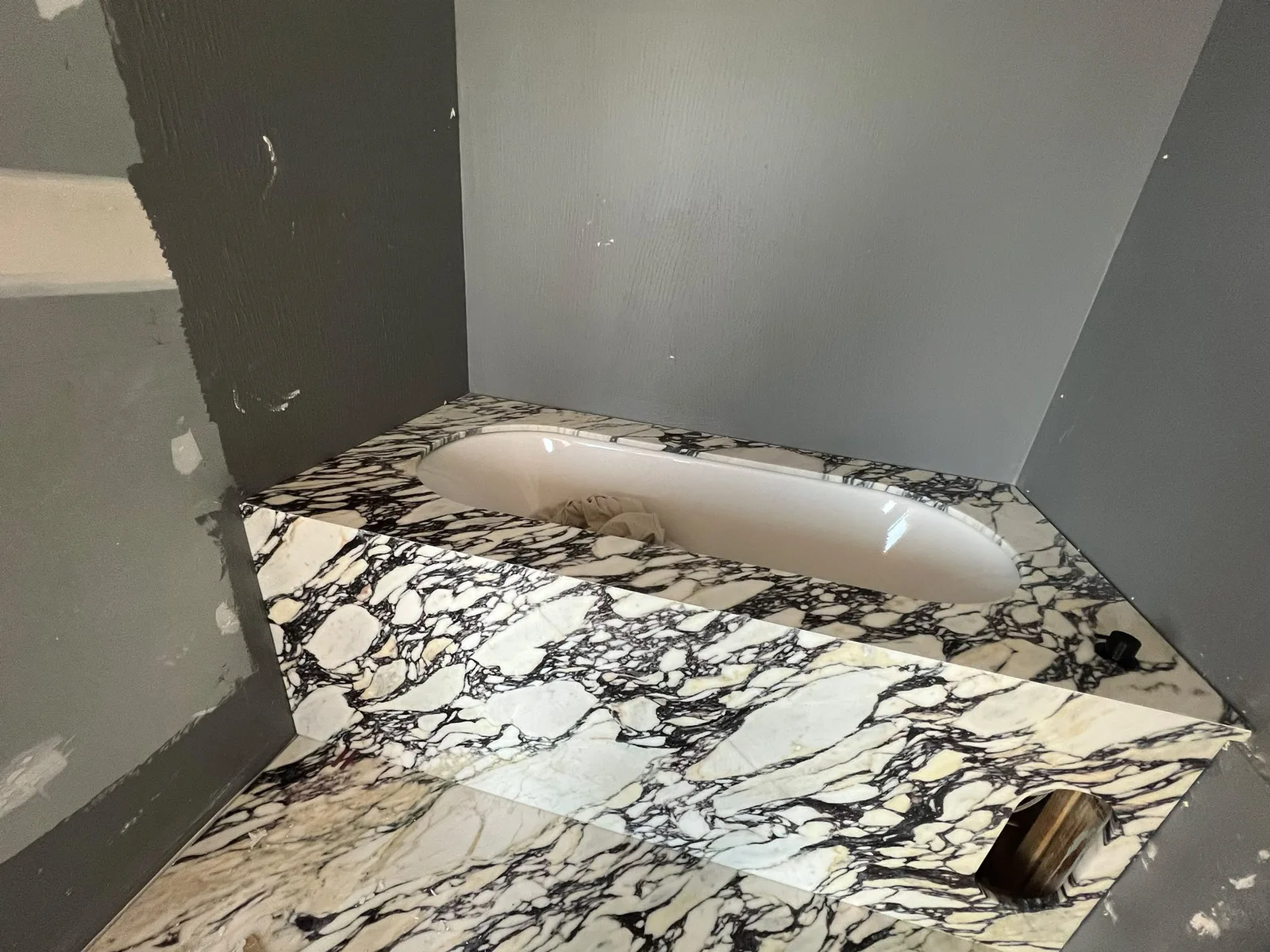
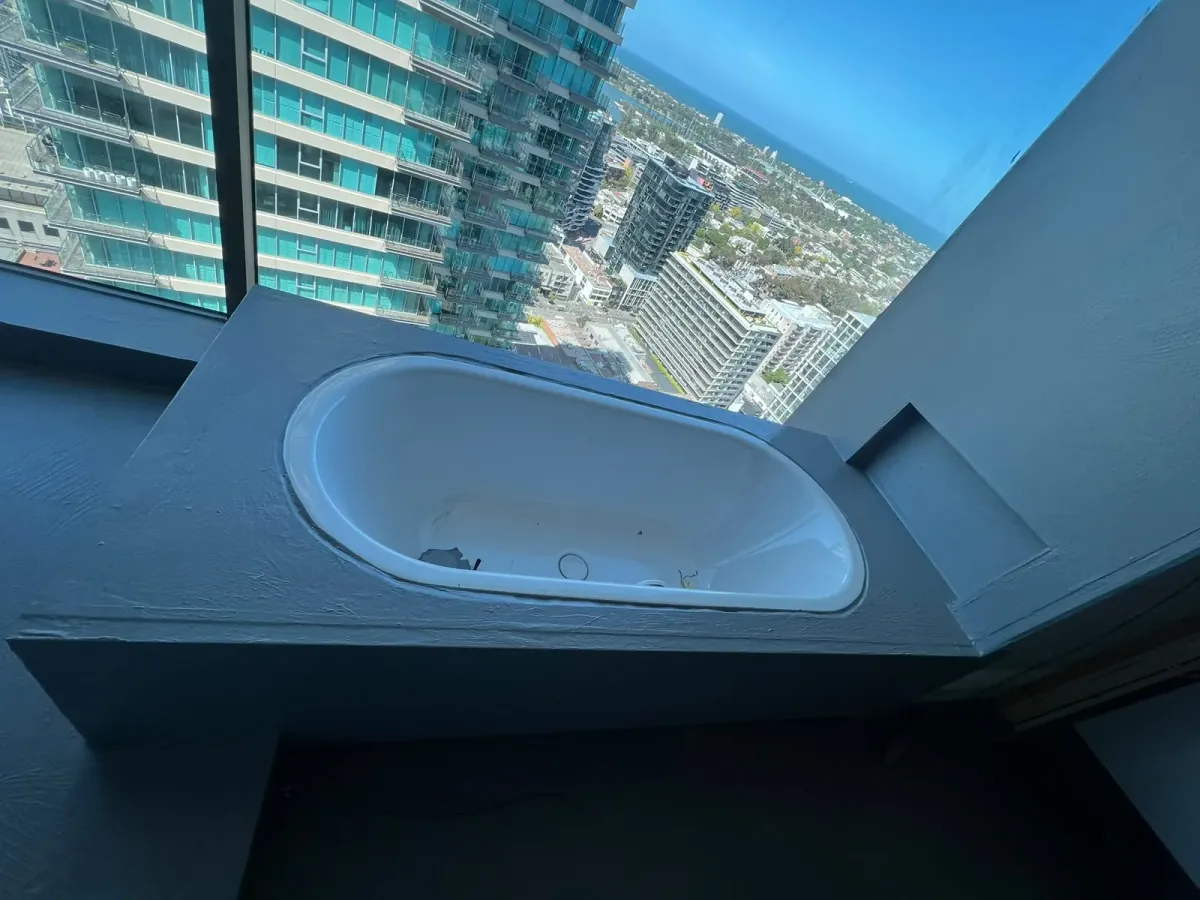
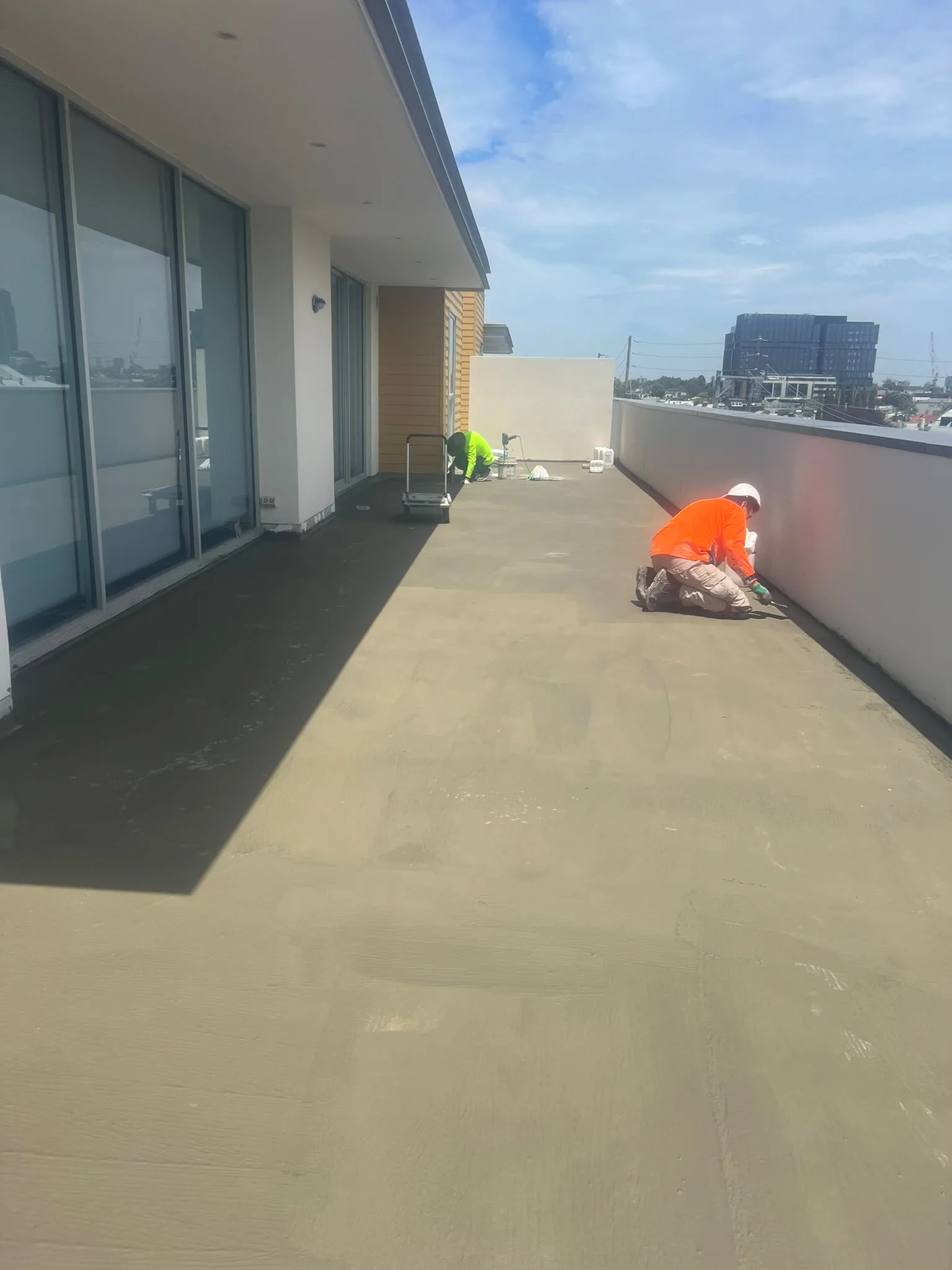
Drag the comparison handle left or right to inspect before and after stages from our Melbourne work.
Additional Completed Views
 Balcony WaterproofingBathroom Waterproofing
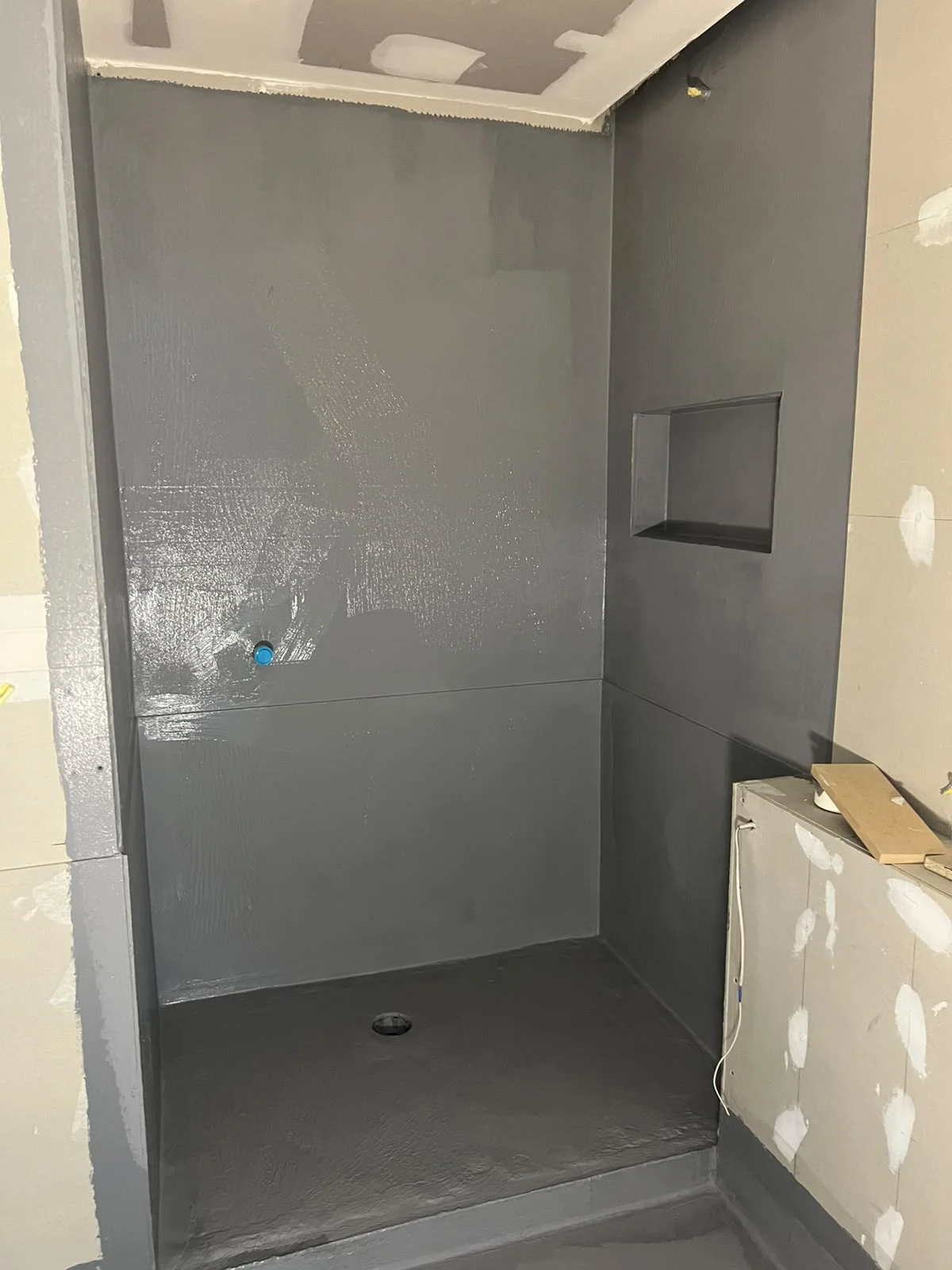 Bathroom Waterproofing
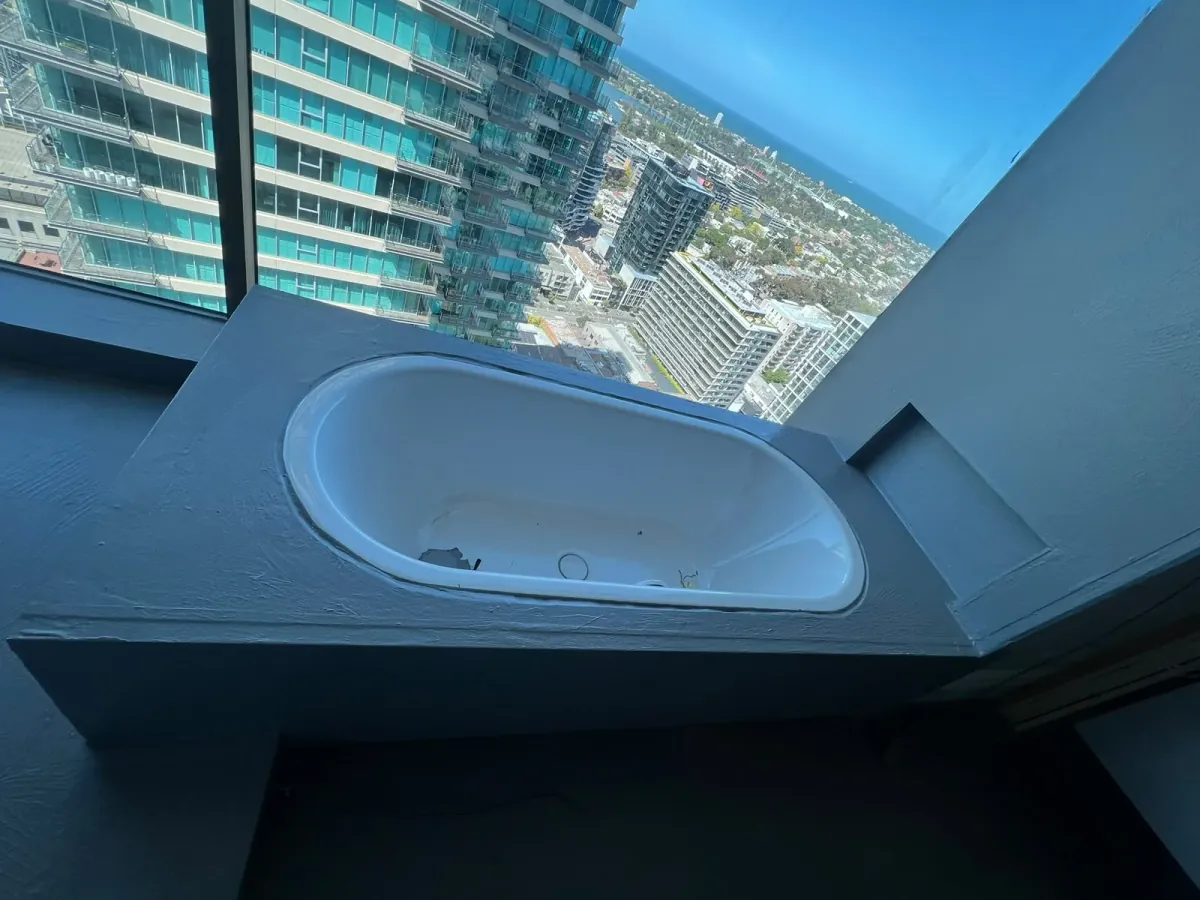 Bathroom WaterproofingBathroom Waterproofing
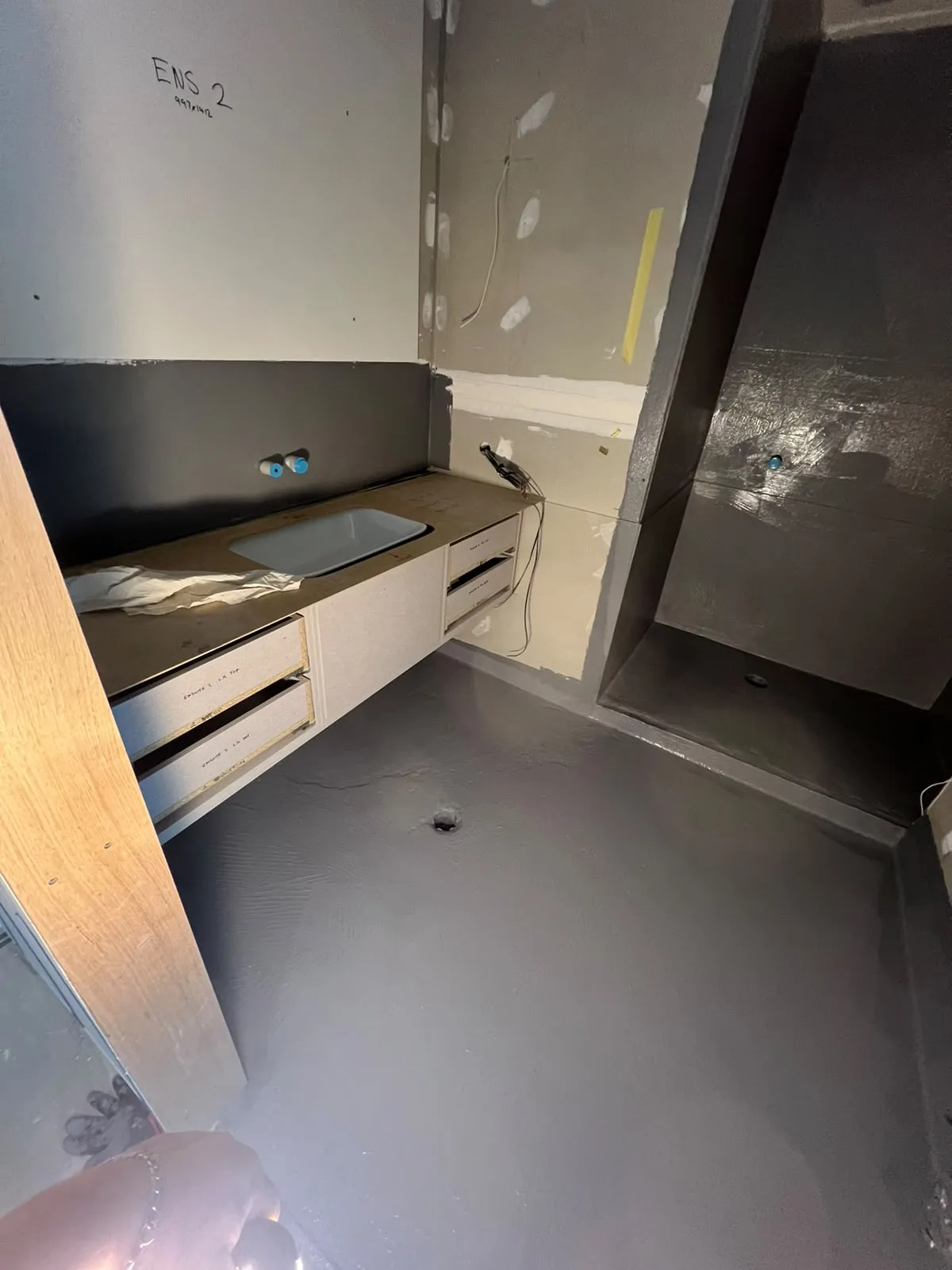 Bathroom Waterproofing
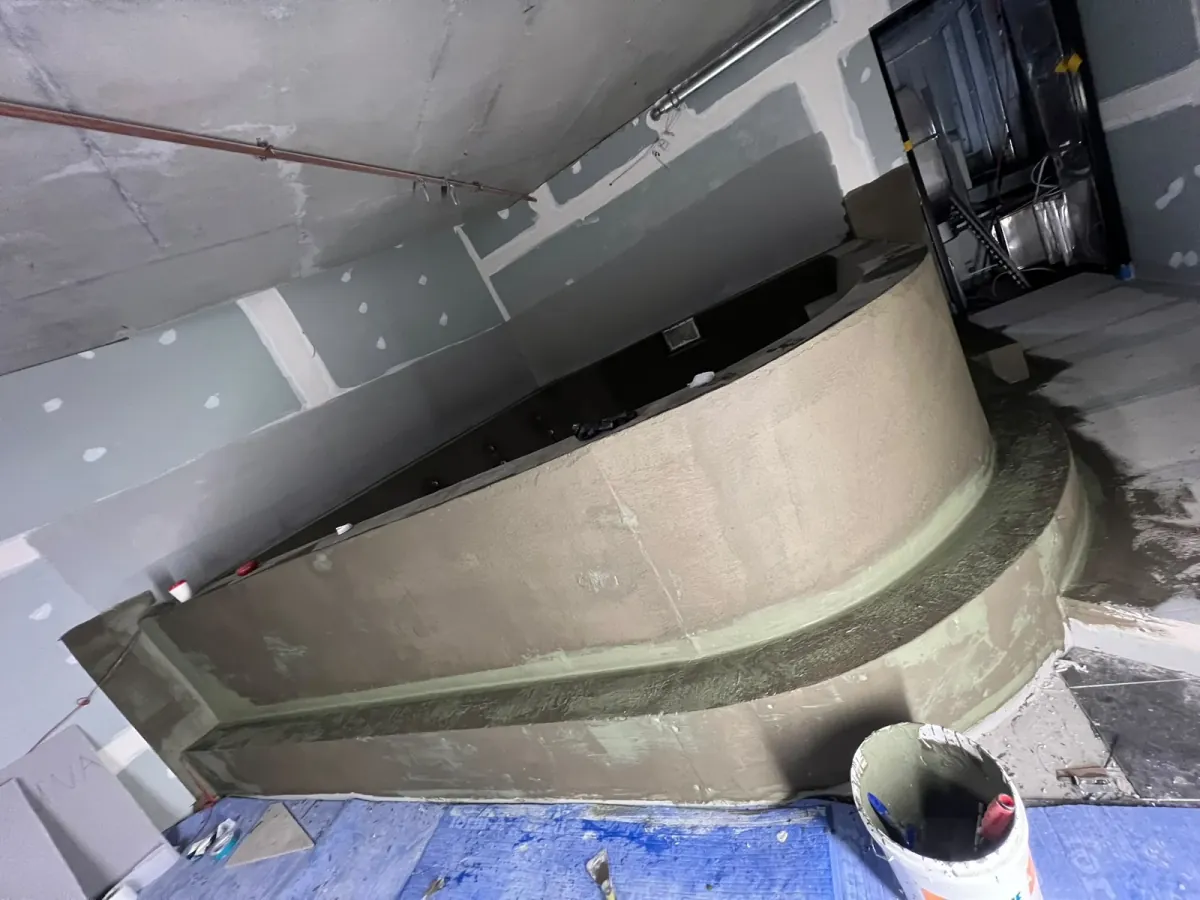 Bathroom Waterproofing
 Bathroom WaterproofingBathroom Waterproofing
 Screed & Substrate Prep
Meticulous Detailing, No Shortcut Spraying
Most wet area waterproofing failures occur at corners, hobs, and pipe penetrations where bond breakers or detailing are omitted. We detail every junction by hand, applying reinforced bond breakers before coating.
- Strict compliance with AS 3740:2021 wet area regulations
- Generous multi-coat application to achieve full dry film thickness
- Reinforced elastic bandaging applied to all internal 90-degree corners
- Proper puddle flange integration for sub-tile drainage
Waterproofing Across Melbourne & *The Peninsula*
We provide precision bathroom waterproofing across South East Melbourne and the Mornington Peninsula. Select your local suburb for local housing observations and service details:
Related Trade Services
Leaking Shower Repairs
Diagnose and repair leaking showers without costly demolition where the membrane allows.
Bathroom Tiling
Precision wall and floor tiling with accurate falls to drain, zero lippage, and clean finishes.
Shower & Bathroom Regrouting
Remove crumbling, mould-affected grout and seal joints properly without removing your tiles.
Suburbs We Service Daily
We provide bathroom waterproofing across South East Melbourne and the Mornington Peninsula:
Frequently Asked *Questions* About Waterproofing
Clear, honest answers about preparation, materials, curing times, and warranties.
Get a Free Quote for Waterproofing
Send 3 to 5 photos of your tiled area. We will inspect your joint condition, confirm the exact scope of bathroom waterproofing, and provide an accurate price.