
Transparent Regrouting & Tiling Quotes
Fast, Accurate Pricing Based on Your Actual Job
We don't offer generic fixed prices because no two bathrooms are the same. One shower might only need fresh perimeter silicone and light joint regrouting, while another has deep-seated mould, missing grout around the drain, and loose tiles that need re-bedding.
Instead of quoting inflated flat rates over the phone or adding surprise fees on the day, we use an honest, photo-based quoting system. You send us 3 to 5 clear photos, your suburb, and a short description, and we provide a precise, no-obligation quote tailored to your exact space.
Why We Don't Post Fixed Flat Rates
Flat pricing models either overcharge homeowners with simple jobs to cover worst-case scenarios, or cut corners on complex jobs to protect profit margins. We prefer absolute transparency: inspecting your photos allows us to assess joint widths, tile conditions, and access requirements so you pay only for the exact craftsmanship your bathroom needs.
Key Factors That Shape Your Quote
Here are the real physical variables we inspect in your photos to determine your exact price.
Dimensions & Extent of Tiled Area
A standard 900x900mm single shower cubicle requires different labour and material volumes than an expansive walk-in double shower or a full-height bathroom wall.
Tile Size & Joint Density
Small mosaic or subway tiles have up to ten times more linear metres of grout joint than large-format 600x600mm porcelain tiles, requiring significantly more extraction time.
Grout Material Selected (Epoxy vs Cement)
Premium two-part epoxy grout requires specialised application and multi-stage washing, delivering non-porous and highly stain-resistant performance.
Substrate & Grout Condition
Soft cement grout that is starting to erode can be extracted cleanly; hard rock-solid cement or previous DIY patch-ups require careful mechanical oscillating cutting to safeguard tile edges.
Underlying Moisture or Loose Tiles
If water has compromised the adhesive bed and individual tiles are drummy or loose, they need careful removal, subfloor cleaning, and re-bonding before grouting.
Perimeter Silicone Length & Corner Detail
Stripping out blackened mouldy silicone along shower screens, internal corners, floor wastes, and vanity tops requires thorough mechanical removal and sanitisation.
How to Take Great Quote Photos
1. The Wide Perspective
Step back and capture the whole shower recess or tiled wall in one frame so we understand the layout, screen configuration, and ceiling height.
2. The Floor & Drain Joint
Take a close-down shot of the shower floor, the waste grates, and the junction where the floor meets the wall.
3. Internal Corners & Silicone Lines
Snap clear photos of the vertical corners and the perimeter seal along the shower base or bath edge where water sits.
4. Any Problem Spots
If you have a cracked tile, a crumbling section of grout, or water staining on an adjacent skirting board, take a direct close-up.
5. Turn On the Lights
Natural daylight or overhead bathroom lighting helps us accurately inspect the grout line depth, colour, and surface condition.
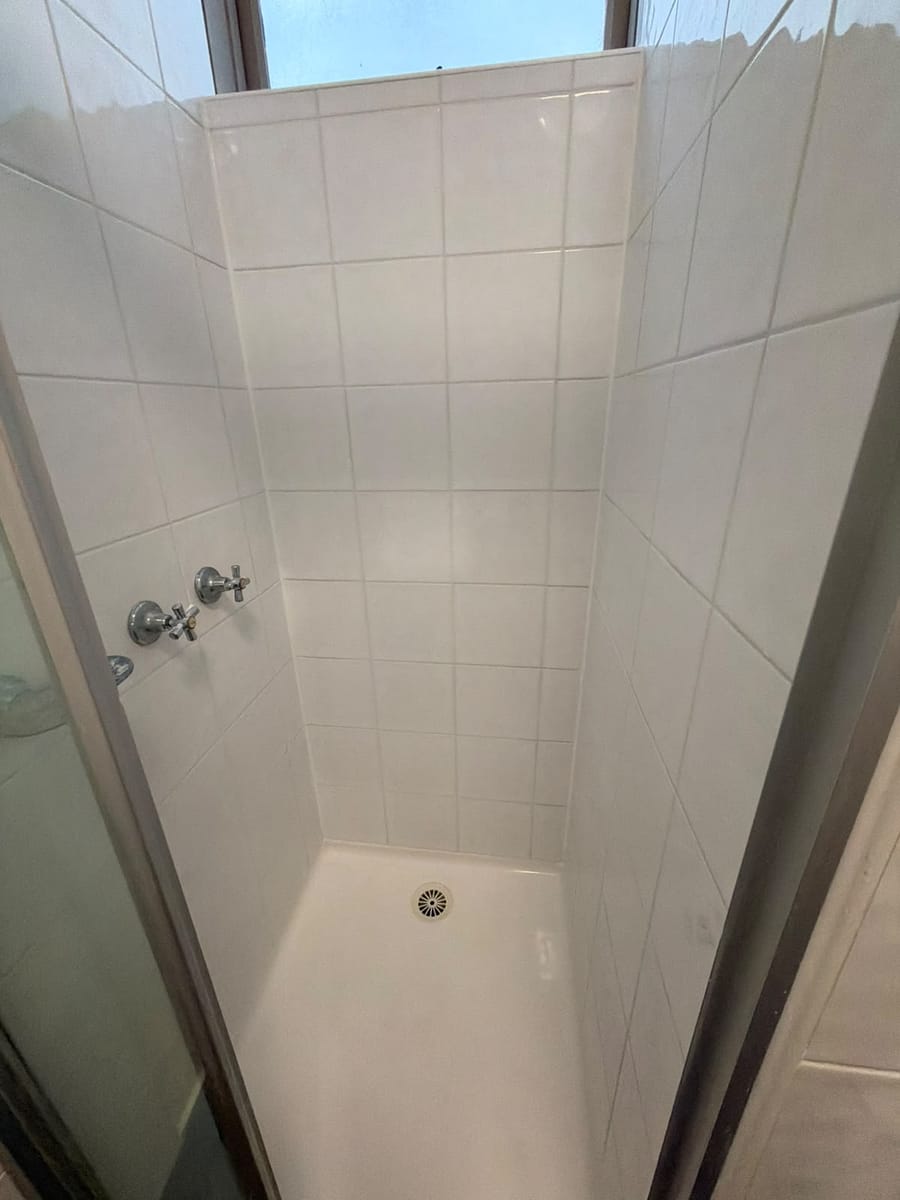 1. Wide
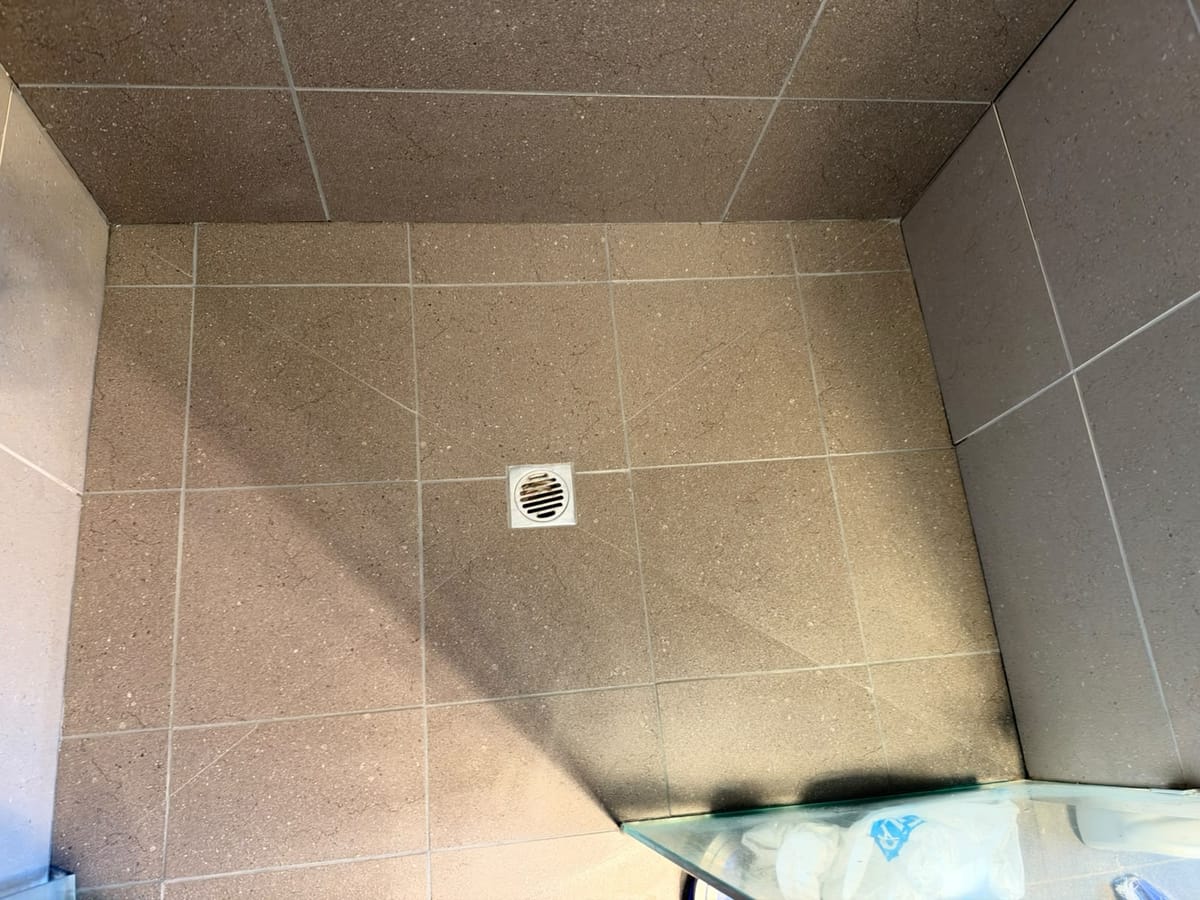 2. Corners
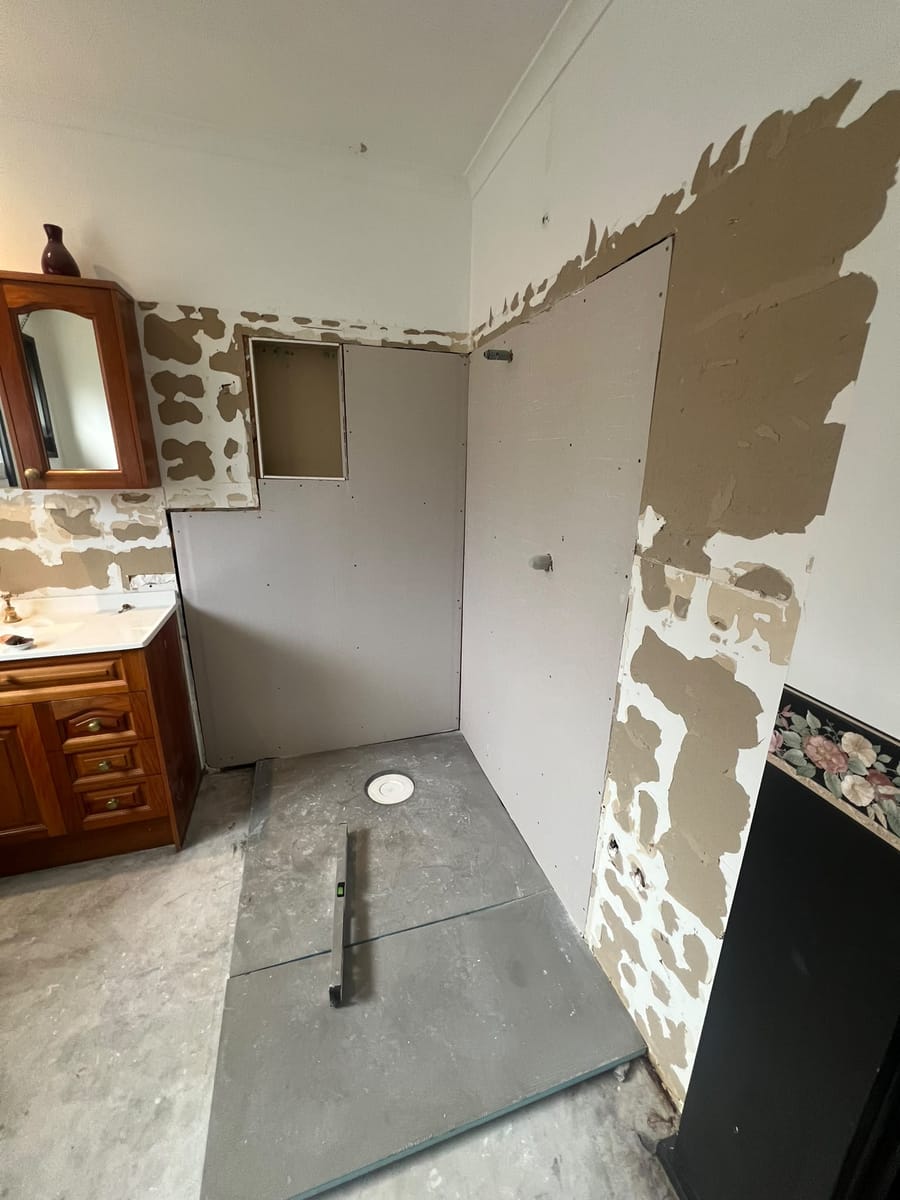 3. Detail
Submit Your Photos for an Exact Price
No spam, no salespeople calling. Just a direct trade assessment of your wet area.