
High-Performance Shower Epoxy Grouting
Non-Porous Joint Protection for High-Use Bathrooms
Unlike cement-based compounds, two-part epoxy grout cures into a dense, non-porous resin that resists water absorption, chemical erosion, and stubborn mould growth in daily showers.
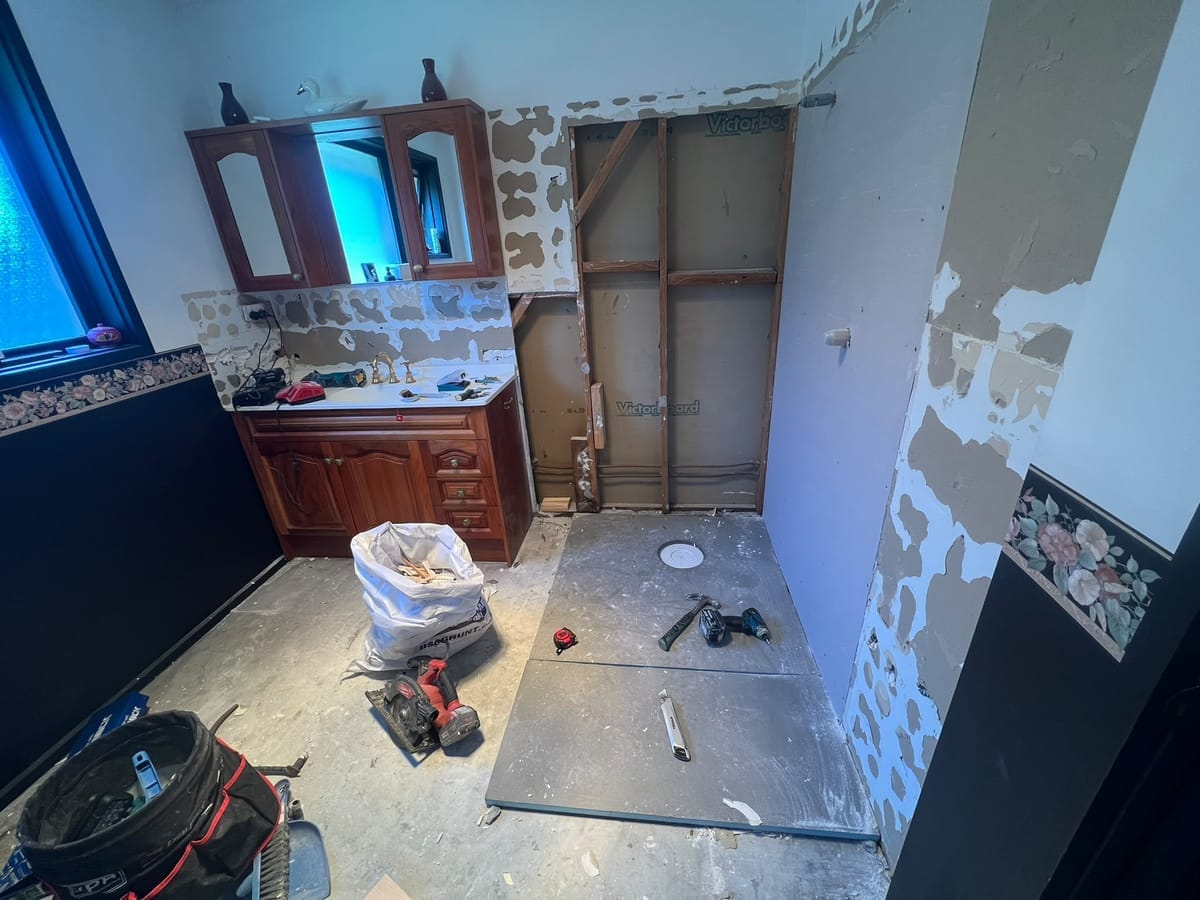
What We Do & The Problem We Solve
Epoxy grout is an advanced two-part formulation combining epoxy resin, a hardening catalyst, and silica or quartz aggregate. When mixed and packed into tile joints, it chemically cures into an exceptionally durable, non-absorbent matrix.
Standard cement grout contains microscopic capillaries that absorb moisture, soap fats, and acidic cleaners over time. In contrast, epoxy grout has virtually zero porosity. Water cannot soak through the joint surface, which means deep-seated mildew cannot root inside the joint core.
Installing epoxy grout requires rigorous trade technique. The joints must be meticulously raked, bone-dry, and free from dust. The material must be worked into the joints within its open pot-life and washed down with emulsifying pads to avoid leaving a sticky resin haze on your tiles.
When to Upgrade to Epoxy Grout
- Showers used multiple times daily by busy families where cement grout never fully dries out
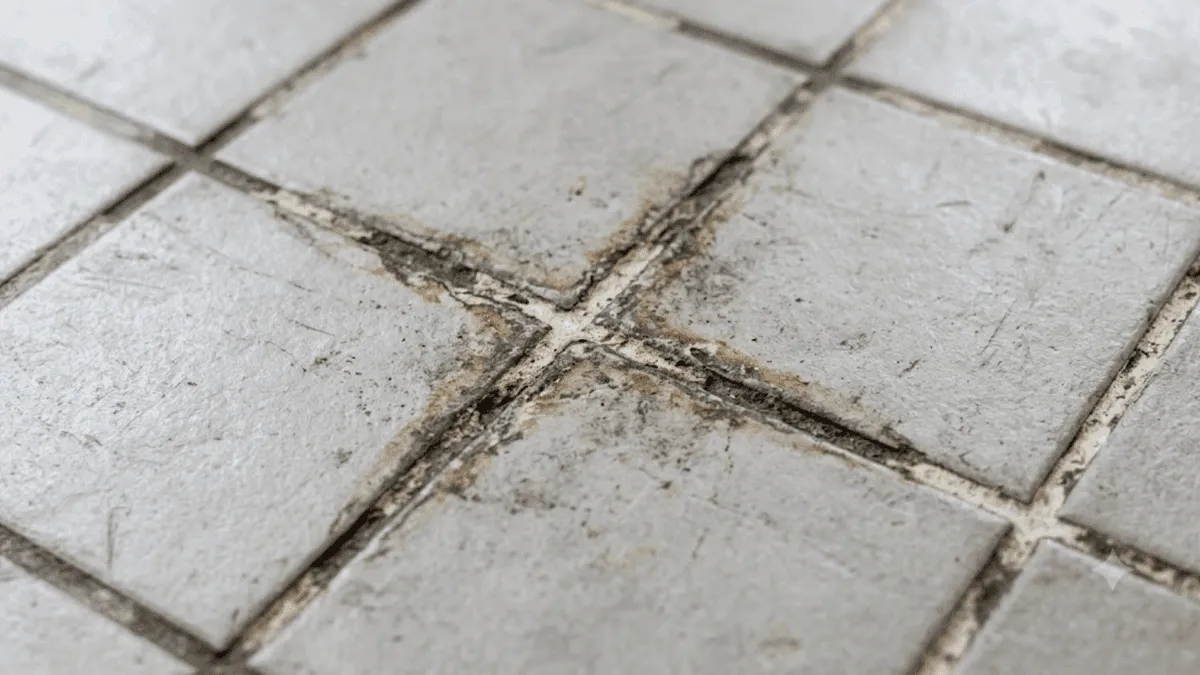
- Shower floor joints that consistently erode or dissolve around the central waste
- Dark staining from body washes, shampoos, and bath oils that refuses to lift with scrubbing
- Grout that has developed structural pitting, pinholes, or surface powdering
- Bathrooms prone to poor ventilation where standard grout lines turn black within weeks
- Commercial wet areas or rental properties requiring low-maintenance surfaces
Our Epoxy Grouting Method
Every step is executed with commercial-grade tooling to ensure a long-lasting, watertight result.
Deep Joint Extraction
All existing cement grout is mechanically extracted to a uniform depth of at least 4mm to ensure full resin encapsulation and mechanical grip.
Substrate Drying & Preparation
Joint cavities are vacuumed clean and moisture-tested. Epoxy cannot be applied into damp joints, so forced-air drying is employed when necessary.
Precision Batch Mixing
Resin and hardener components are weighed and mixed mechanically according to exact manufacturer ratios to achieve full chemical polymerisation.
Firm Floating & Joint Compaction
The epoxy compound is forced deeply into the joints using specialized firm-rubber epoxy floats, working at a 45-degree angle to eliminate voids.
Multi-Stage Emulsification Wash
Within the open working window, tiles are emulsified with warm water and specialty scrub pads, followed by cellulose sponge wipes to ensure crystal-clear tile faces.
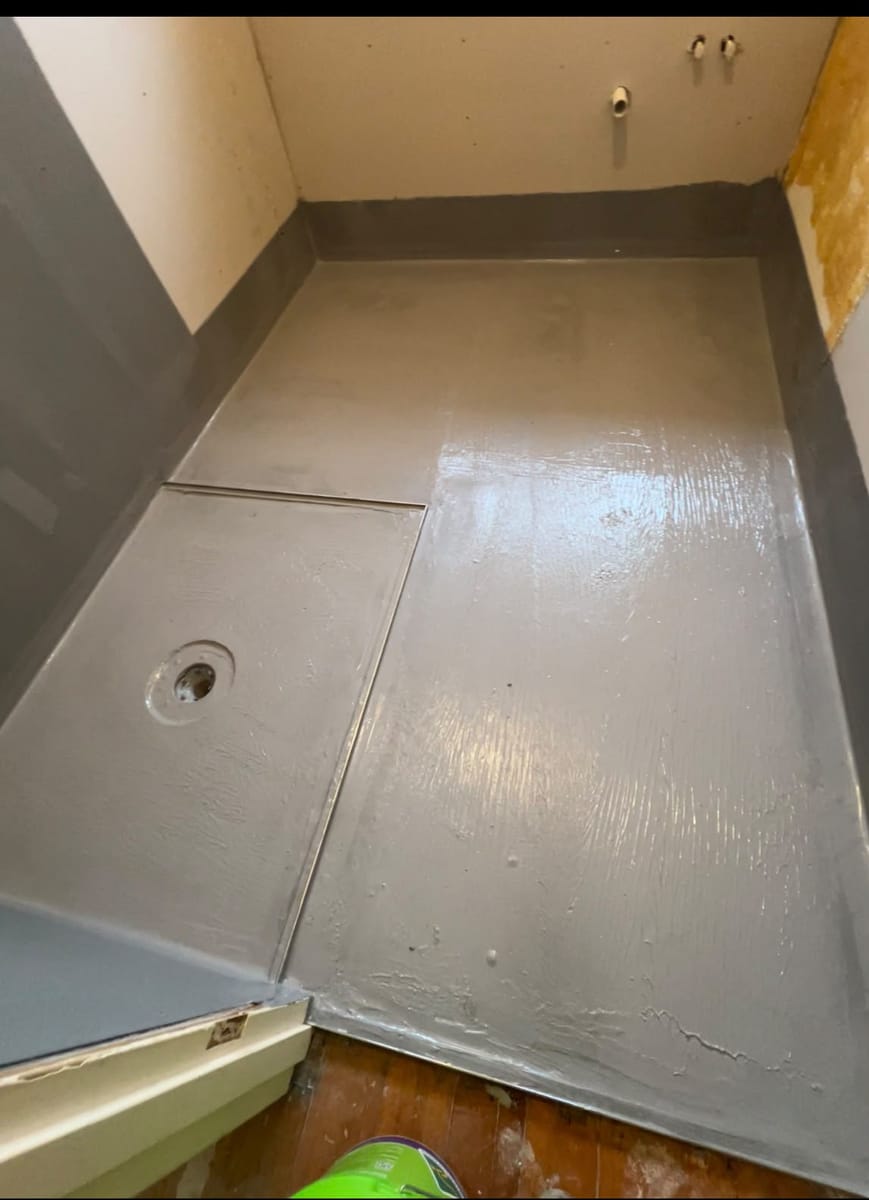
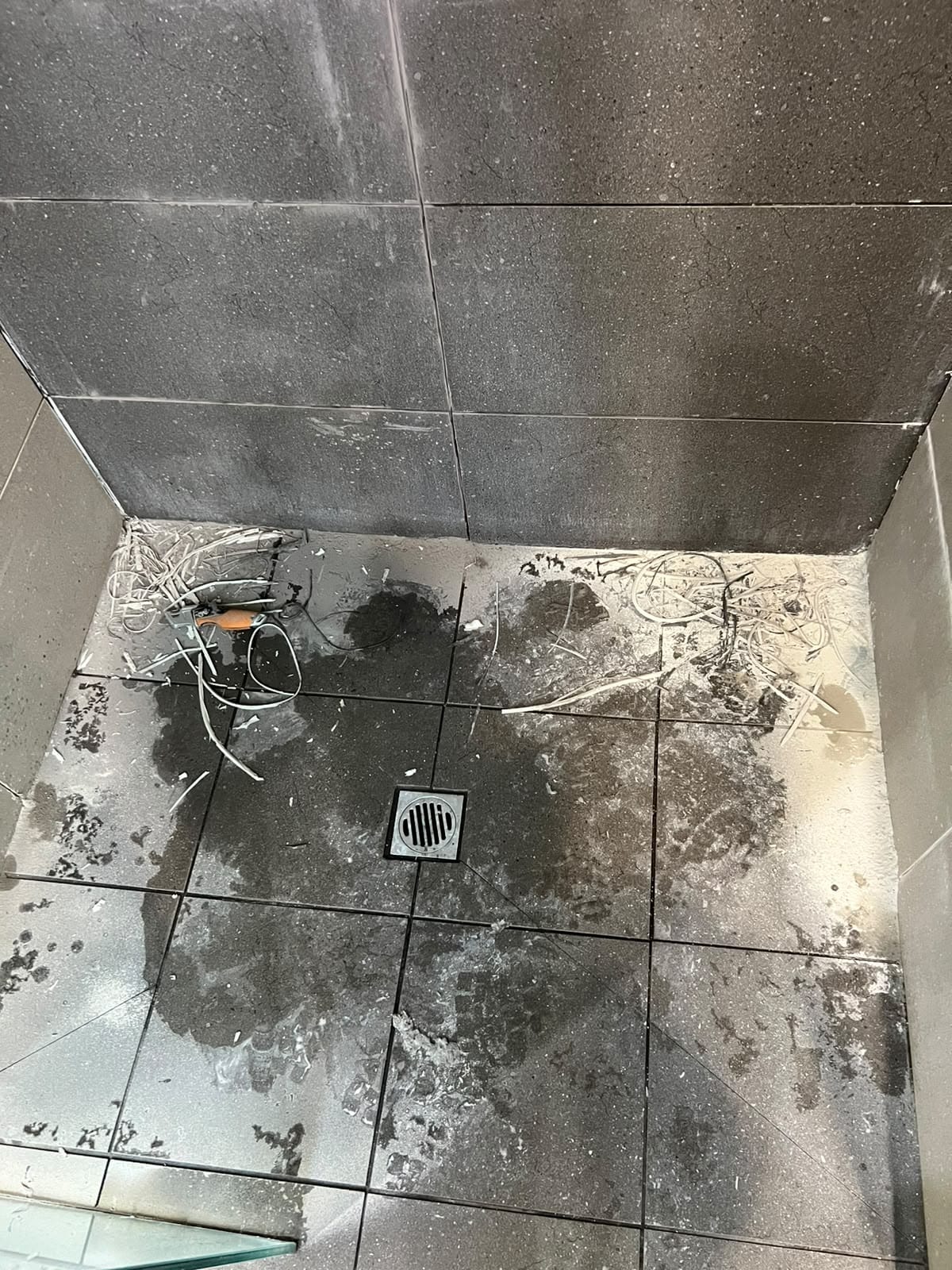
We remove degraded grout to a clean uniform depth and thoroughly sanitise the joint cavity before injecting new compound.
Is This Service Right for Your Bathroom?
We believe in straightforward trade advice. Here is an honest breakdown of when this service succeeds, and when a different approach is necessary.
When Epoxy Grouting Is Suitable
- High-use family bathrooms, ensuites, and rental properties seeking low maintenance
- Glazed ceramic, vitrified porcelain, and properly sealed stone tiles
- Showers with sound tile adhesion and an intact waterproofing membrane
- Shower floor bases subjected to constant water pooling and foot traffic
When Epoxy Grouting Is NOT Suitable
- Unsealed, highly porous natural stone (such as unsealed travertine or terracotta) without prior testing
- Showers where the underlying waterproofing membrane has ruptured and water is entering the subfloor
- Substrates that remain saturated with trapped moisture that cannot be dried out before installation
- Tiles that are loose, hollow, or drummy when tapped
Honest Trade Advice: Waterproofing Membranes vs. Regrouting
Regrouting and perimeter silicone replacement restore damaged, porous, or mouldy joints. However, regrouting addresses grout-level water ingress but cannot repair or restore a failed waterproofing membrane. Under Australian building standards (AS 3740), internal waterproofing membranes sit beneath the screed and tile bed. If that membrane or structural substrate has failed, regrouting alone cannot fix an underlying leak. We provide clear, honest assessments from photos and on-site checks so you only pay for what actually solves the problem.
Epoxy Materials & Finishes
Two-Part Chemical Resistant Epoxy
Premium epoxy systems with fine aggregate for smooth joint profiles and high bond strength across narrow and wide joints.
Colour Spectrum Availability
Available in neutral greys, crisp whites, warm off-whites, and deep charcoal shades to match modern designer tiles.
Perimeter Sanitary Silicone
Internal perimeter junctions receive flexible sanitary silicone rather than rigid epoxy, accommodating thermal expansion.
Curing & Shower Wait Times
Refer to the product manufacturer's technical data sheet for curing specifications. Generally, epoxy grout reaches light foot traffic resistance in 24 hours and requires 48 to 72 hours before full shower water exposure. Full chemical stain resistance develops over several days.
Advantages of Epoxy Grout
Virtually Non-Porous Surface
Repels water on contact, dramatically reducing water wicking into the tile adhesive layer behind shower walls.
Exceptional Stain Resistance
Resists discolouration from hair dyes, harsh soaps, shampoos, and common bathroom cleaning agents.
High Mechanical Strength
Far stronger than traditional cement grout, preventing cracking, crumbling, and erosion under high foot traffic.
Resists Mould Colonisation
Because moisture and organic grime cannot penetrate below the surface, mould can only sit superficially and wipes off easily.
Before & After
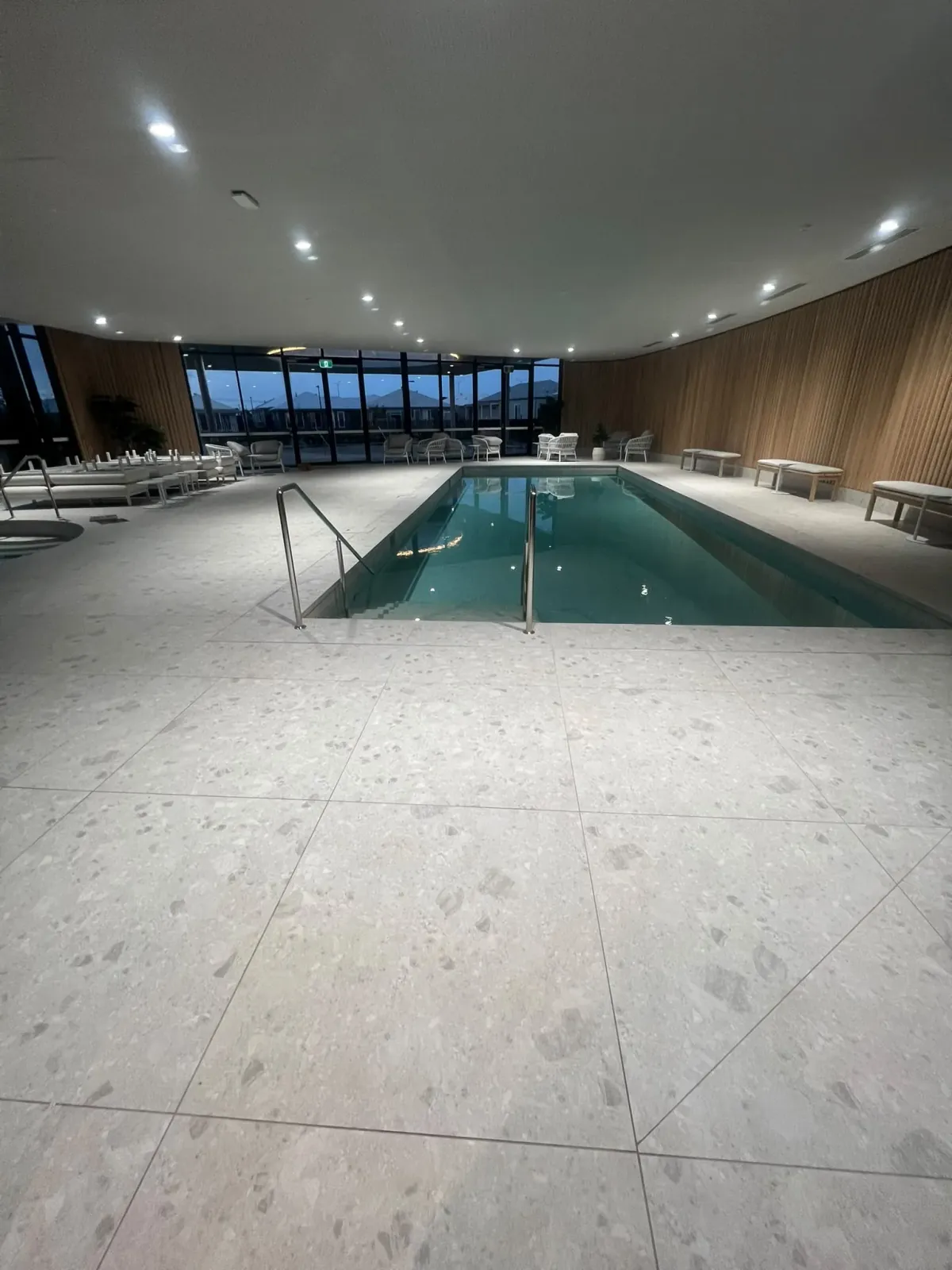
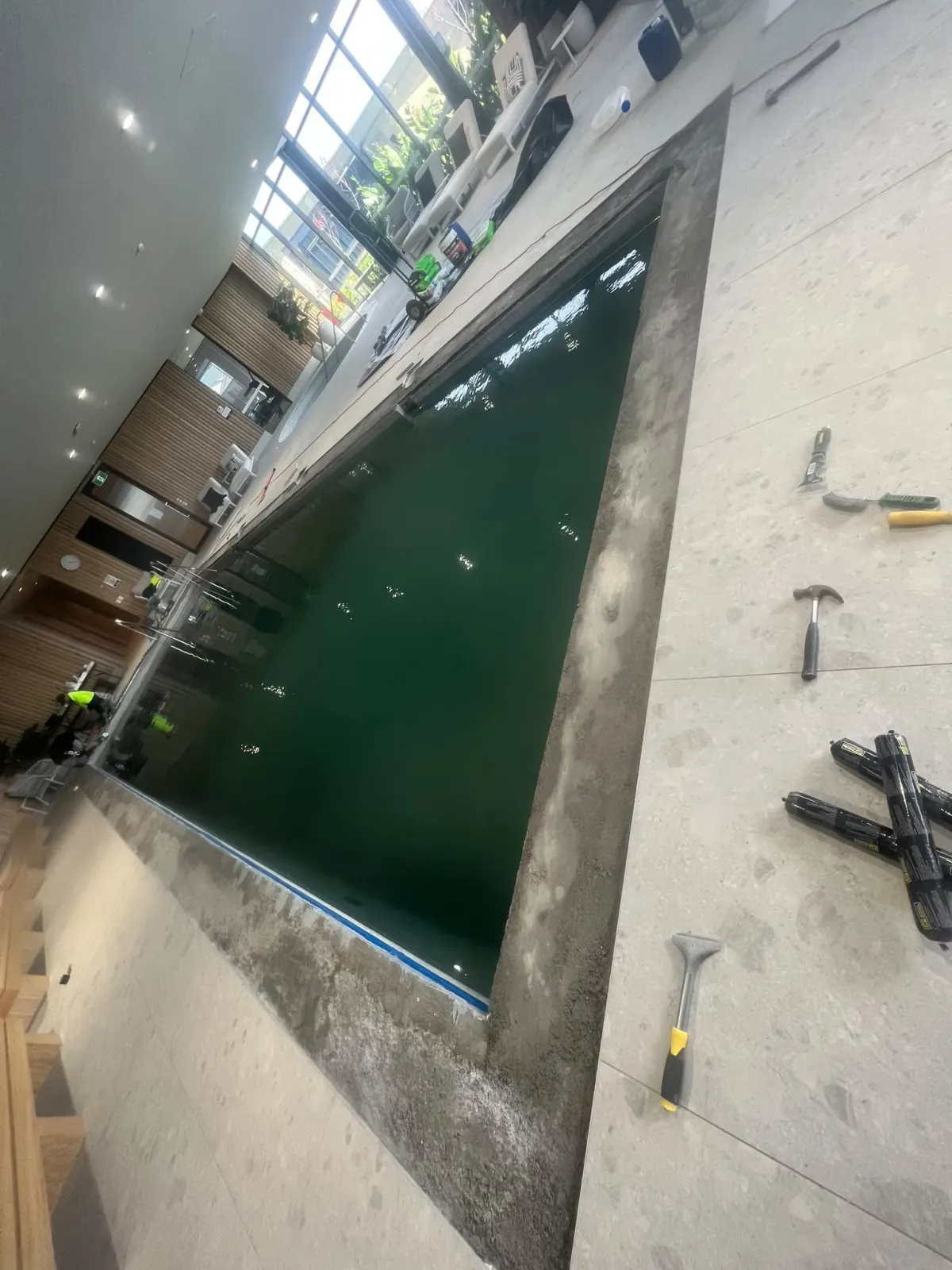
Drag the comparison handle left or right to inspect before and after stages from our Melbourne work.
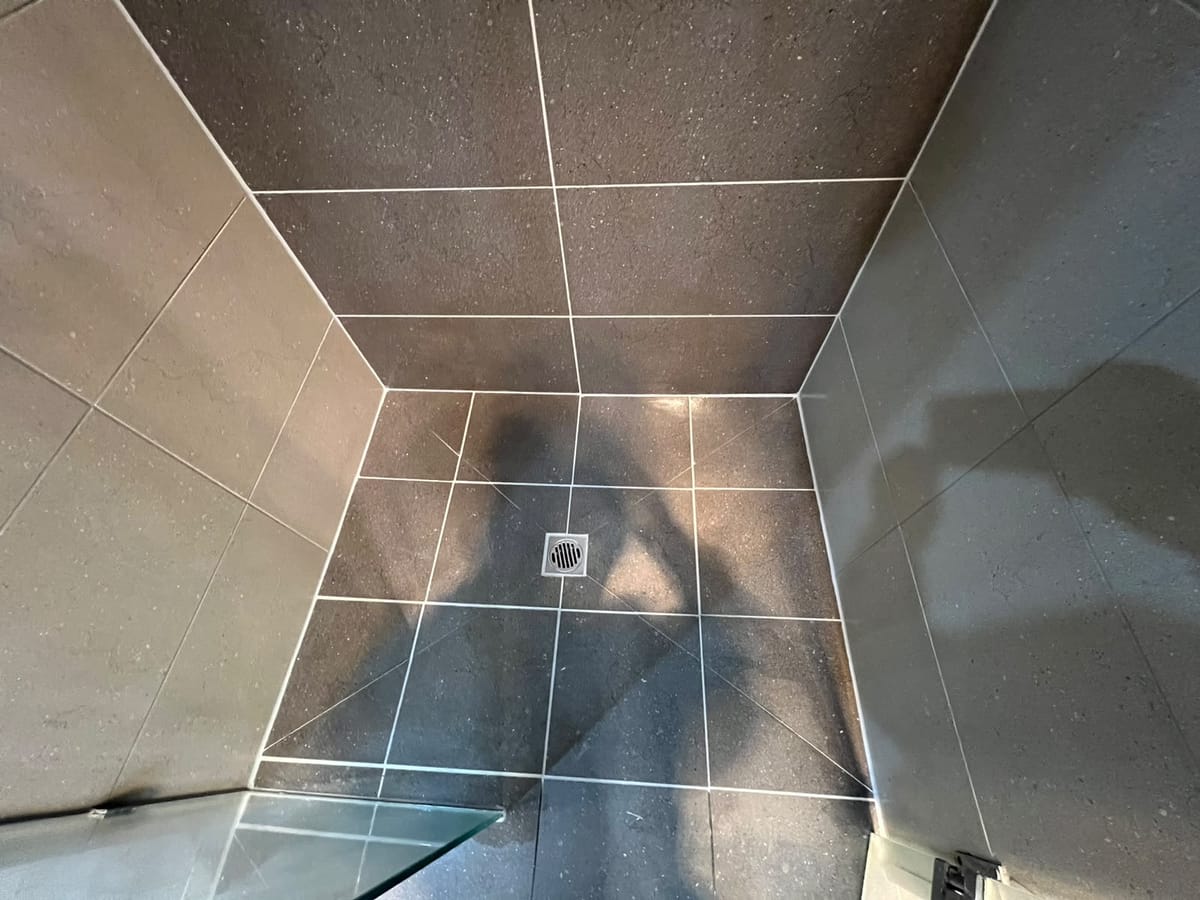
Additional Completed Views
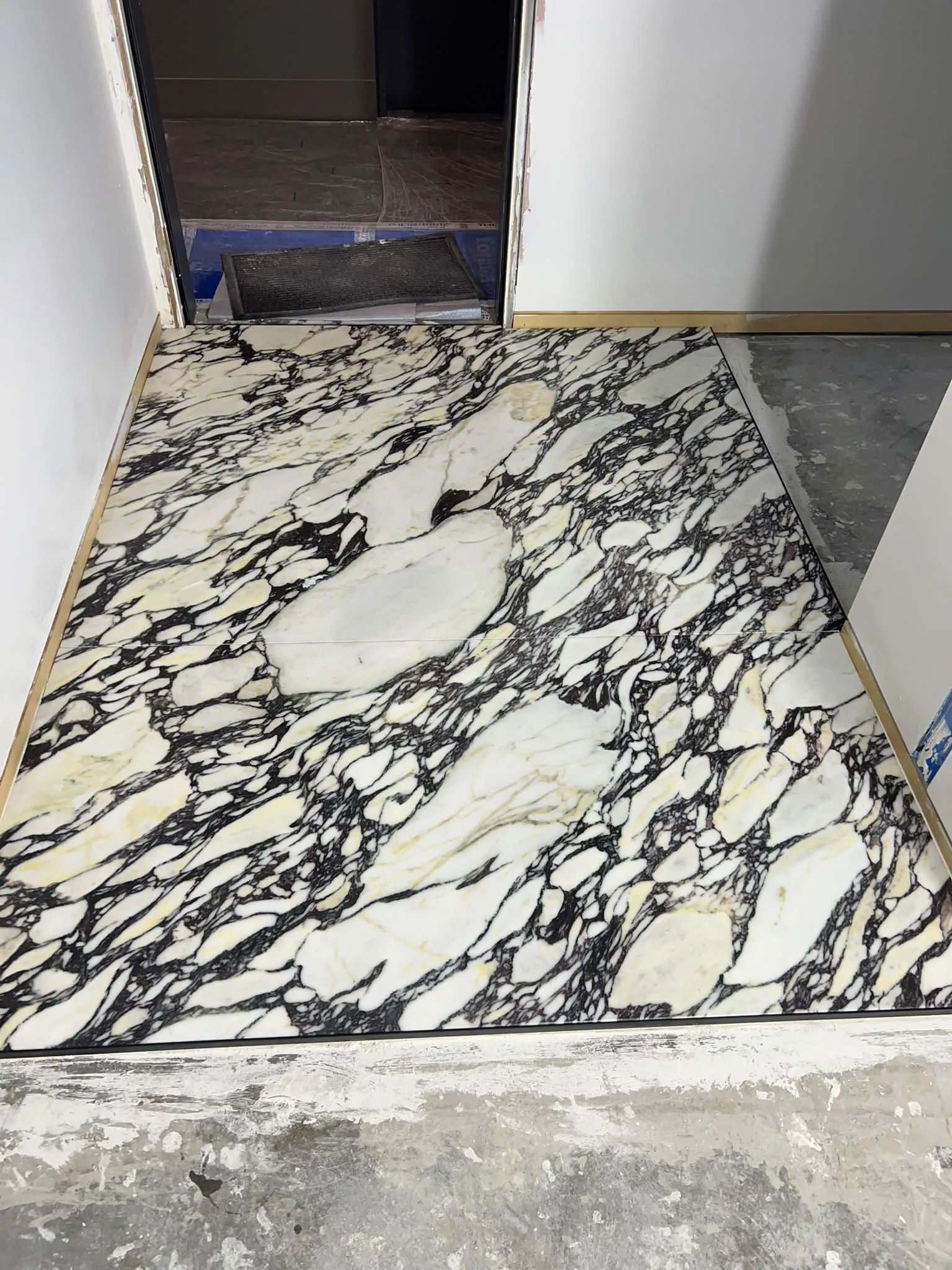
Large-Format Tiling & Sealing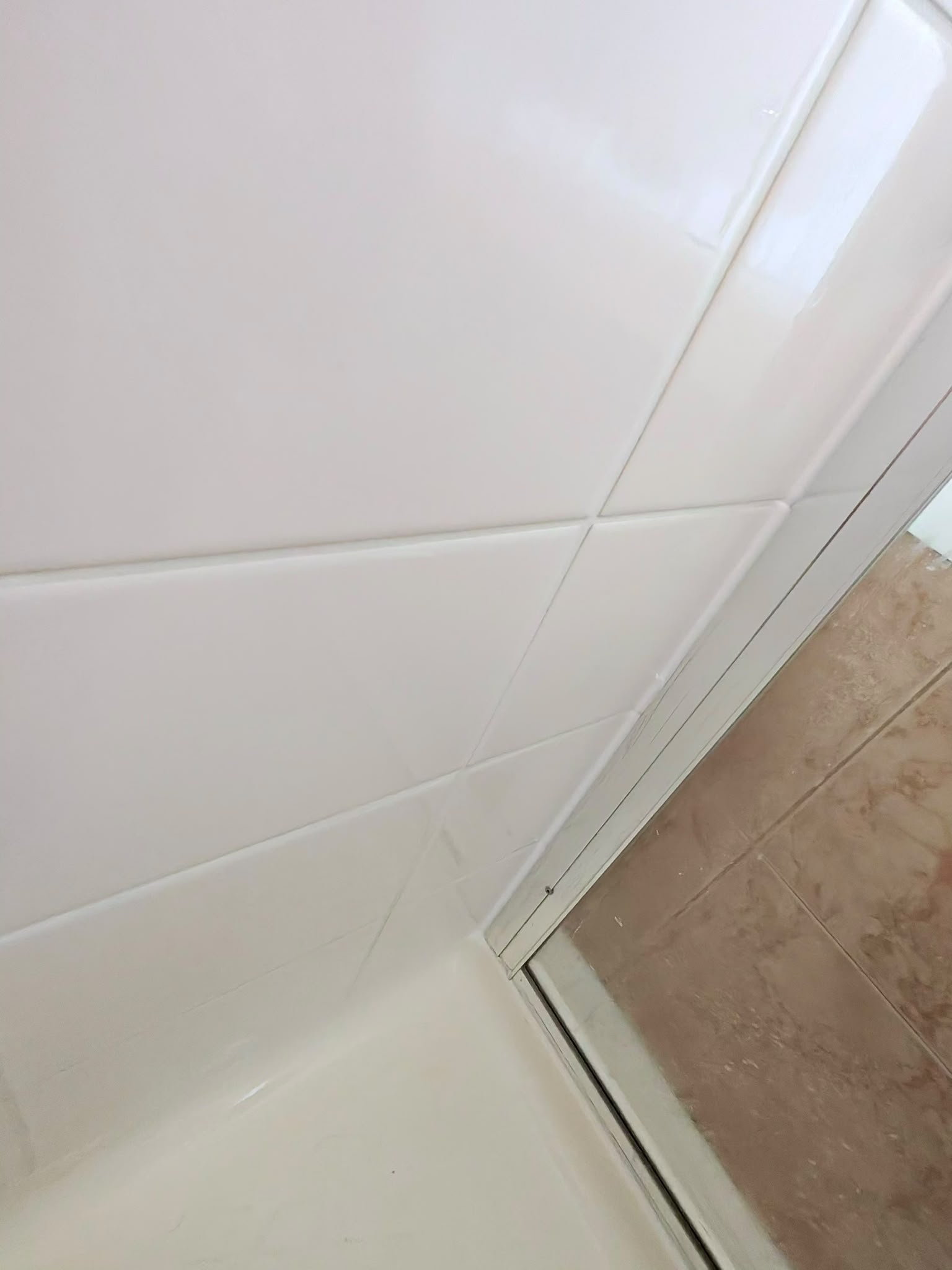 Epoxy Grouting
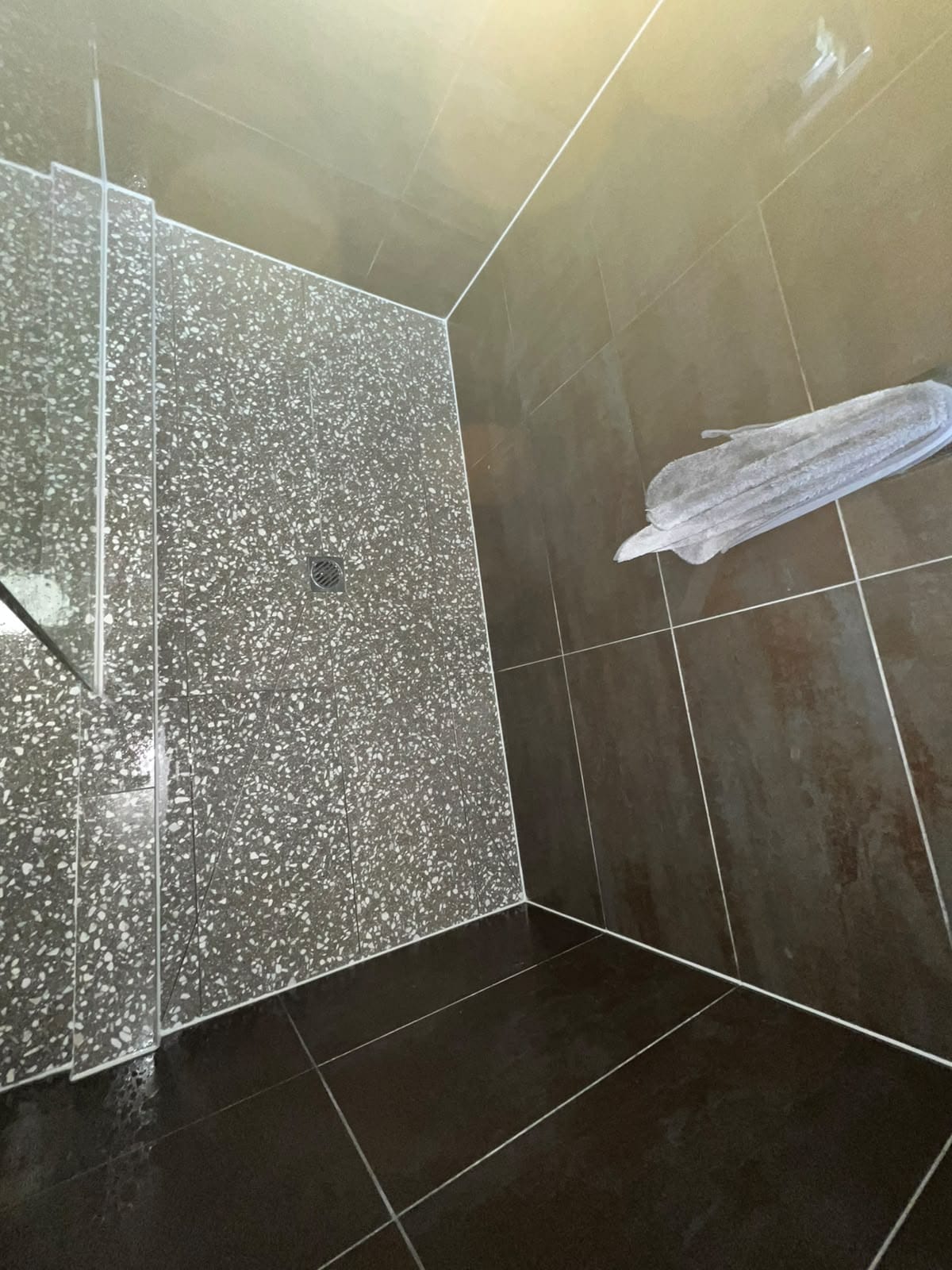 Epoxy Grouting
Trained Epoxy Specialists, Flawless Results
Working with epoxy grout requires exacting skill and timing. Many general tilers avoid epoxy because incomplete cleaning leaves permanent resin hazing. We specialise in epoxy installation and achieve clean joints with spotless tile faces.
- Rigorous ratio mixing ensures rock-hard, non-sticky curing
- Specialty wash-down procedures prevent unsightly resin haze
- Expansion corners finished with colour-matched sanitary silicone
- Realistic trade advice on tile compatibility before starting
Epoxy Grout Across Melbourne & *The Peninsula*
We provide precision epoxy grouting across South East Melbourne and the Mornington Peninsula. Select your local suburb for local housing observations and service details:
Related Trade Services
Shower & Bathroom Regrouting
Remove crumbling, mould-affected grout and seal joints properly without removing your tiles.
Silicone Removal & Resealing
Strip out mouldy, peeling perimeter caulking and tool fresh mould-resistant sanitary silicone.
Leaking Shower Repairs
Diagnose and repair leaking showers without costly demolition where the membrane allows.
Suburbs We Service Daily
We provide epoxy grouting across South East Melbourne and the Mornington Peninsula:
Frequently Asked *Questions* About Epoxy Grout
Clear, honest answers about preparation, materials, curing times, and warranties.
Get a Free Quote for Epoxy Grout
Send 3 to 5 photos of your tiled area. We will inspect your joint condition, confirm the exact scope of epoxy grouting, and provide an accurate price.